I Thought I Was Earning Yield — Until I Realized I Was Paying for It
 HOA THAN3 min read·Just now
--
A personal story about misunderstanding DeFi returns — and what changed everything.
It Started With a Number
The first time I saw a 20% APY in DeFi, I didn’t ask questions.
I just deposited.
Everything looked simple. The dashboard updated in real time. My balance moved up. Rewards accumulated.
It felt like the system was working for me.
Deposit → earn → compound.
There was no friction, no complexity — just growth.
At least, that’s what it looked like.
When the Numbers Didn’t Match
A few weeks later, I checked my position more carefully.
The APY had been high the entire time. But my actual returns didn’t feel as impressive as I expected.
Something was off.
After digging deeper, I started noticing things I had ignored before:
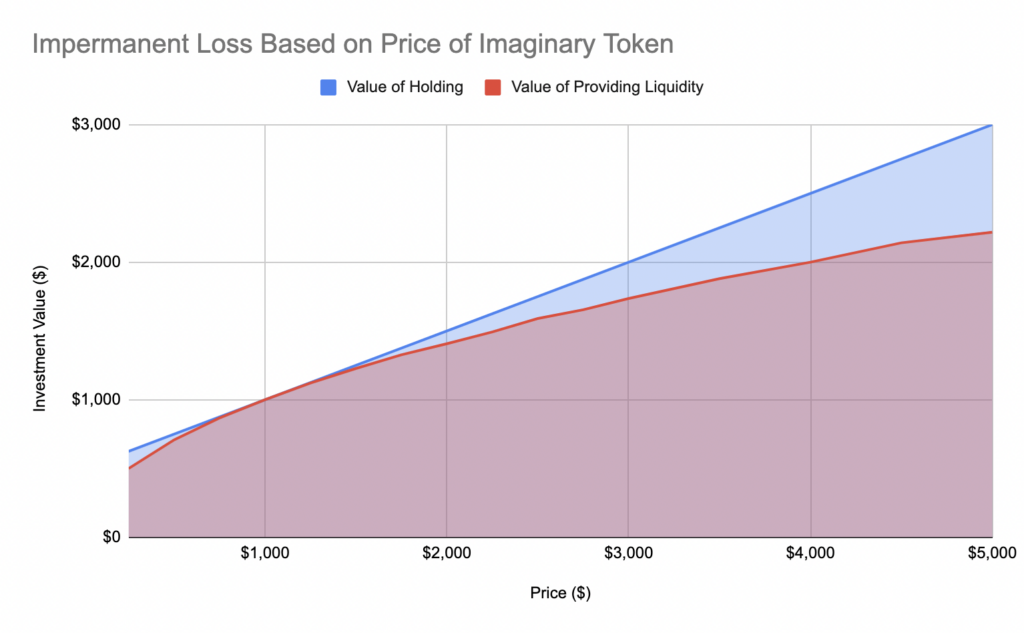
- price fluctuations affecting my position
- execution costs adding up
- changing liquidity conditions
- rewards losing value
The number I saw wasn’t the number I got.
That’s when I realized:
APY is not the same as outcome.
The Moment It Clicked
I started asking a simple question:
Where is this yield actually coming from?
The answer wasn’t obvious at first.
But over time, patterns emerged.
- trading fees from real activity
- incentives designed to attract liquidity
- arbitrage and market inefficiencies
- liquidations during volatility
Then it hit me.
In some cases, I wasn’t earning yield.
I was enabling it.
By providing liquidity without fully understanding the risks, I was taking on exposure that others were actively managing.
I wasn’t playing the system — I was part of it.
Same Market, Different Outcomes
What surprised me most was seeing how differently people approached the same opportunities.
Some users chased the highest APY.
Others focused on structure, cost, and risk.
Institutions went even further — modeling outcomes before deploying capital.
Same system.
Different results.
The difference was understanding.
Rethinking Yield Entirely
After that, I stopped asking:
“What’s the highest APY?”
Instead, I started asking:
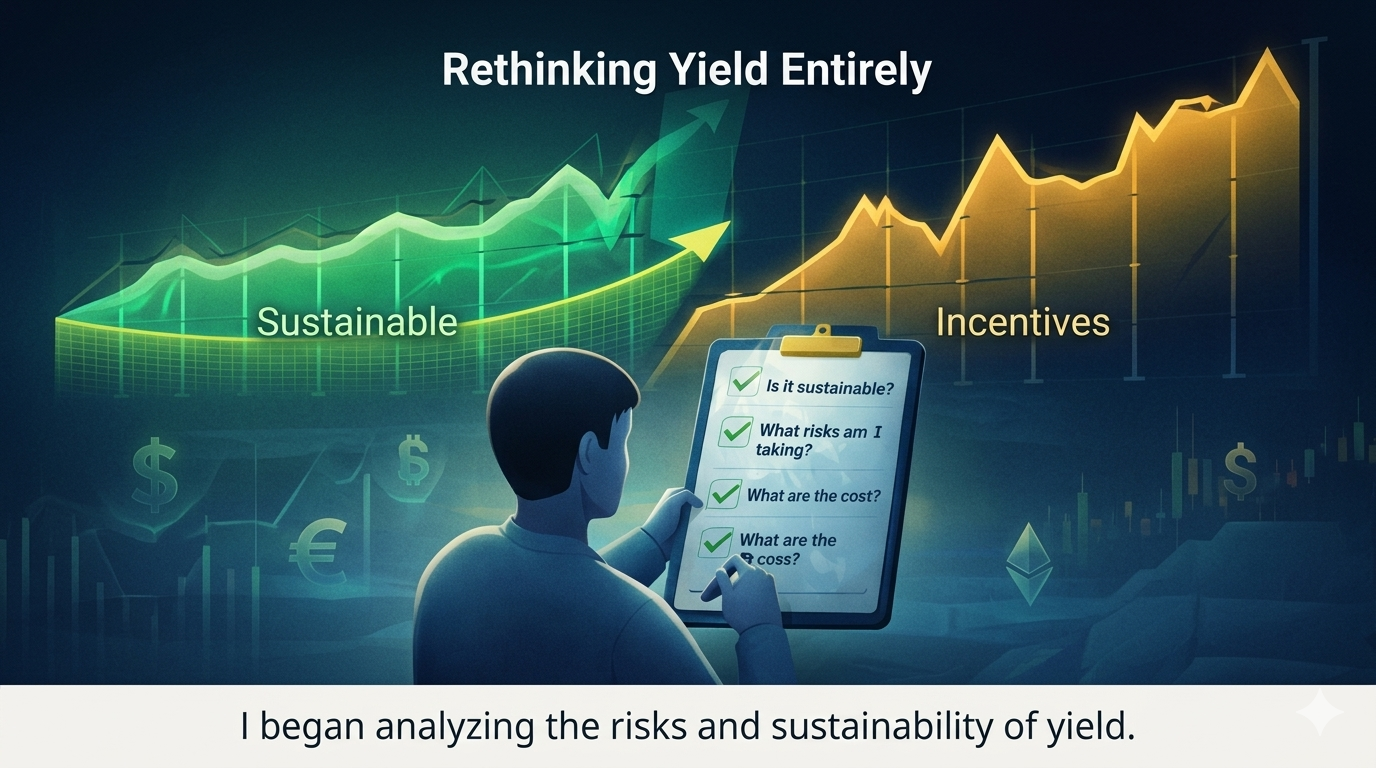
- Is this yield sustainable?
- What risks am I taking?
- What costs are hidden beneath it?
That shift changed everything.
Yield wasn’t something to chase anymore.
It was something to analyze.
Moving Toward Structure
Eventually, I realized I didn’t want to manually manage every position.
There were too many variables — too many ways to get it wrong.
That’s when I started looking into Concrete vaults.
Through managed DeFi, these systems allow capital to be:
- deployed across strategies
- adjusted over time
- optimized through onchain capital deployment
And instead of relying on constant action, they improve results through automated compounding.
What Changed for Me
The biggest change wasn’t just in returns.
It was in how I thought about them.
I stopped treating yield as a number on a screen.
I started seeing it as a process:
- value being generated
- costs being applied
- risk being managed
And once you see it that way, everything becomes clearer.
The Lesson I Didn’t Expect
Looking back, the lesson feels simple:
If you don’t understand where your yield comes from, you probably don’t understand your position.
And in DeFi, that usually means one thing:
You might be the one providing the yield.
DeFi isn’t just about earning more.
It’s about understanding what you’re earning — and why.
To see how a structured approach works, explore Concrete at app.concrete.xyz