I Almost Sold Everything Before an Unexpected Market Move. Here Is What Stopped Me.
--
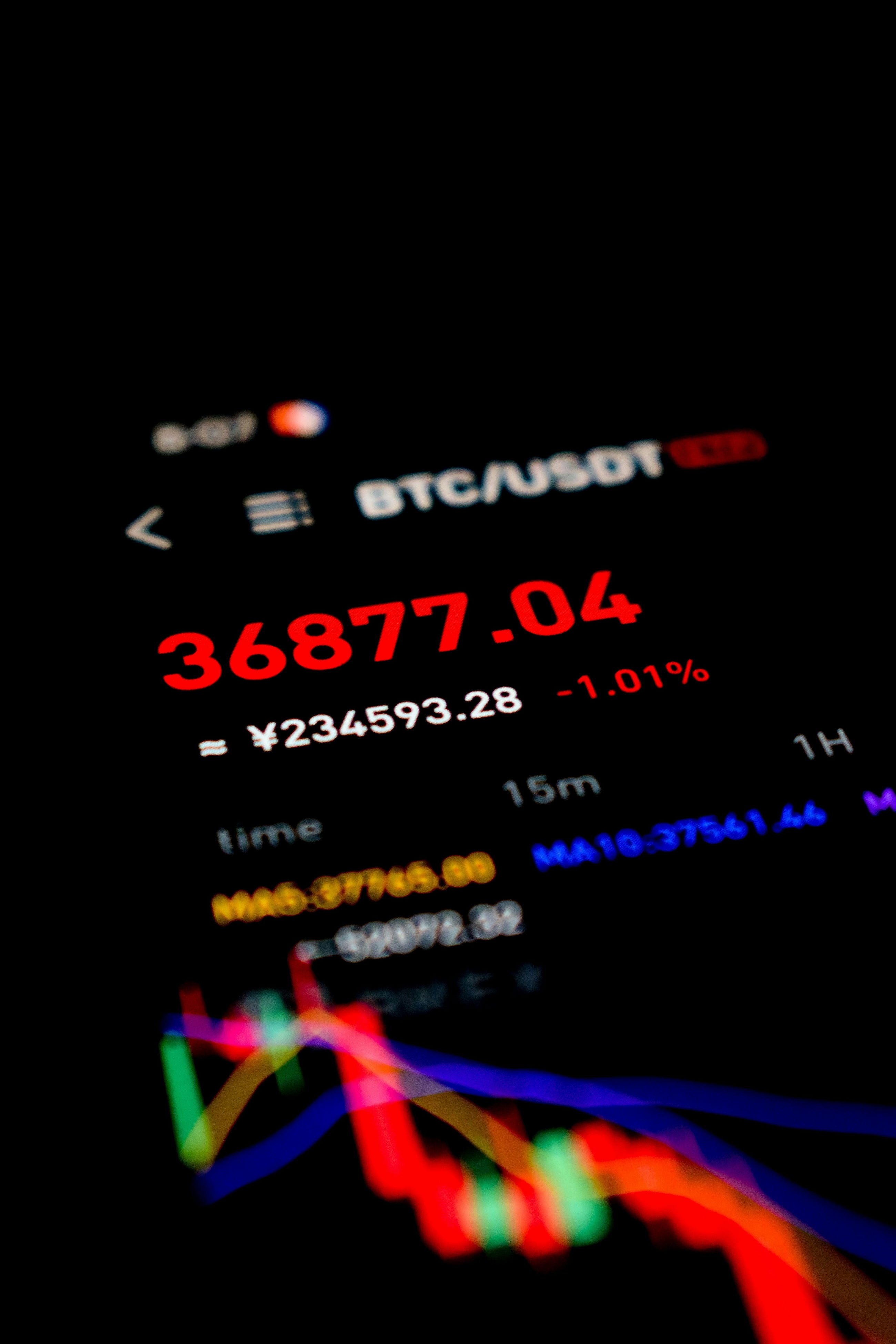
The decision felt made. I had been watching a slow, grinding decline for six weeks. The narrative had shifted, the community was increasingly pessimistic, and several people I respected had either reduced exposure or were publicly questioning the near-term outlook. I had drafted the mental exit in my mind multiple times. All that remained was executing it.
What stopped me was not special insight into what was about to happen. I had no idea what was about to happen. What stopped me was a process check that I had built specifically for moments like this one, a short set of questions I had committed to answering before making any significant portfolio change. Working through those questions took about forty minutes and produced a result I had not expected: I could not find an evidence-based reason for the exit that was independent of how I was feeling.
Three days later the market moved sharply higher. I have no idea whether I would have re-entered if I had sold. Probably not at the right time. Probably not at all.
What the Weeks Before the Almost-Exit Actually Felt Like
The thing about sustained market pressure is that it does not feel like a single event you can evaluate clearly. It accumulates. Each day adds a small amount to the weight.
The portfolio was down from its recent high. Not catastrophically, but enough to register every time I checked. The news cycle had been unfavorable. A regulatory development that had initially been dismissed as routine was getting more coverage and more analysis, and the more it was analyzed the more concerning the interpretations sounded. Volume on the sell side had been elevated for several days.
Each of these individually was manageable. Together, across six weeks, they had created a background psychological condition that colored every interpretation I made about the market. When I looked at a neutral piece of information I was reading it through a lens that was already tilted toward seeing reasons for concern.
This is one of the most important things to understand about the psychology of holding through extended adverse periods: the interpretation of new information is not neutral. It is shaped by the accumulated emotional state the market has produced over the preceding weeks. The same headline that would have registered as noise during a bullish period feels ominous during an extended drawdown.
By the time I was seriously considering selling everything, I was not making a fresh assessment of the situation. I was making an emotionally-weighted assessment that had been distorting my perception of incoming information for weeks.
The Process Check That Interrupted the Decision
I had built a simple pre-decision checklist after a previous experience where I had exited a position at a poor time for emotional reasons. The checklist existed specifically to interrupt the connection between emotional state and execution when the emotional state was the primary driver.
The questions were not complicated. They were: what has specifically changed in the thesis that justified holding this position, and when did it change? What price level or data point would confirm that the fundamental case for holding is broken? Am I reacting to those specific things or to general market sentiment and cumulative discomfort?
Working through these questions forced me to articulate what I was actually responding to. The regulatory development was real but its actual implications remained genuinely unclear. The increased bearish commentary was real but commentary is not evidence of fundamental change. The price decline was real but the on-chain data I tracked had not shown the kind of long-term holder distribution that typically precedes sustained bear market development.
What I was actually reacting to was the accumulated psychological weight of six weeks of adverse conditions combined with a shift in community sentiment that I had been absorbing passively. Neither of these was a thesis-invalidating development. They were uncomfortable. Uncomfortable and thesis-invalidating are different things.
The process check revealed that my sell decision was being driven by the first category rather than the second. That was enough to make me pause.
Why We Confuse Discomfort With Evidence
This confusion is one of the most reliable and most expensive mistakes in trading. The mechanism behind it is straightforward but the experience of it is subtle enough that most people cannot identify it in real time.
When you hold an asset through an extended decline, the market is providing you with continuous negative feedback. Every day the position is below your cost basis or below its recent high, your brain registers something like a small loss even if you have not sold. The cumulative effect of these registrations is a state of chronic low-level stress that your brain motivates you to end.
The action that ends the stress most immediately is selling. Selling transforms an uncertain situation into a certain one. The loss is crystallized but the anxiety stops. The brain, which weighs relief from pain very heavily in the short term, is consistently motivated to recommend this action.
The problem is that the market does not know or care about your stress level. The market’s future behavior is determined by supply and demand dynamics, macro conditions, and a vast array of factors that have nothing to do with how uncomfortable you have been for the past six weeks. Your psychological state is not a reliable predictor of what comes next.
When you treat your own discomfort as evidence that the market is going lower, you are confusing an internal psychological signal with an external market signal. They happen to be present at the same time but they are not the same thing. The only way to tell them apart is to specifically look for the external evidence and ask whether it would be compelling if you were not already in a distressed emotional state.
The Role of Pre-Committed Rules in Protecting Against This
The process check that stopped my panic exit was only available to me because I had built it and committed to using it before I was in the emotional state that required it.
This is a critical feature of effective risk management in trading. The decisions that matter most are made under conditions of stress, fatigue, or accumulated emotional pressure. Those are exactly the conditions under which decision quality is lowest and under which the temptation to abandon process is strongest.
Pre-committed rules work because they were made by a calmer version of yourself in a less distressed state. The rule I had about requiring an evidence-based, thesis-invalidating reason to make a major portfolio change was a rule I had made after a previous expensive exit, when I was not in emotional pain and could think clearly. That earlier version of me had anticipated this situation and left instructions.
Following those instructions when the moment arrived was not easy. Every emotional signal I was receiving was telling me the instructions were outdated and this situation was different. That feeling of your own rules feeling wrong in the moment is actually one of the more reliable signs that you should follow them. The moments when rules feel most constraining are often the moments they are doing the most important work.
What Happened After and Why the Outcome Is Not the Point
Three days after I almost sold, the market moved higher significantly. The regulatory concern that had driven part of the pessimism was clarified in a way that the market read as less severe than anticipated. Buyers came in at the support levels that had been holding throughout the decline. The price recovered and extended beyond the range it had been stuck in.
I held through the move and captured a meaningful portion of the subsequent appreciation. Had I sold at the point I was considering, I would have crystallized a loss from an extended drawdown and then faced the psychologically difficult task of re-entering at higher prices after having just concluded that the market was going lower.
I want to be careful about how I frame this outcome because the story structure of almost-sold-then-it-went-up makes it look like there was wisdom in holding that should be generalized. There was not, exactly. The market could have continued lower. The regulatory development could have resolved differently. The outcome that materialized was one of multiple possible outcomes and I had no particular insight into which one was coming.
What was generalizable was not the outcome but the process. The process of requiring evidence-based justification for major portfolio changes, of separating accumulated discomfort from thesis invalidation, of pausing the execution connection between feeling and action, produced a better quality decision than the unstructured approach would have. That process would be worth following even if the outcome had been different.
What This Means for How You Approach Your Own Pressure Points
Every person who participates in volatile markets will reach the point I reached. Extended adverse conditions, shifting community sentiment, the accumulation of psychological weight that produces the strong urge to end the discomfort by selling. This is not a sign of weakness or poor analytical capability. It is the predictable response of a human nervous system to sustained financial stress.
The question is not how to feel nothing in those moments. The question is whether the systems you have built are robust enough to interrupt the direct connection between that feeling and a portfolio action that you will regret when the market moves on without you.
Building those systems before you need them, when you are calm and thinking clearly, is the most productive thing you can do to protect your own decision quality at the moments when it matters most.
Markets are uncertain. Sometimes the right decision is to sell. Sometimes the analysis clearly supports exit and the process check confirms it rather than contradicts it. The goal is not to hold through everything. The goal is to ensure that when you sell, you are selling because the evidence supports it rather than because six weeks of declining prices have convinced your nervous system that it cannot take any more.
The forty minutes I spent working through the process check were the most valuable forty minutes of that entire period.