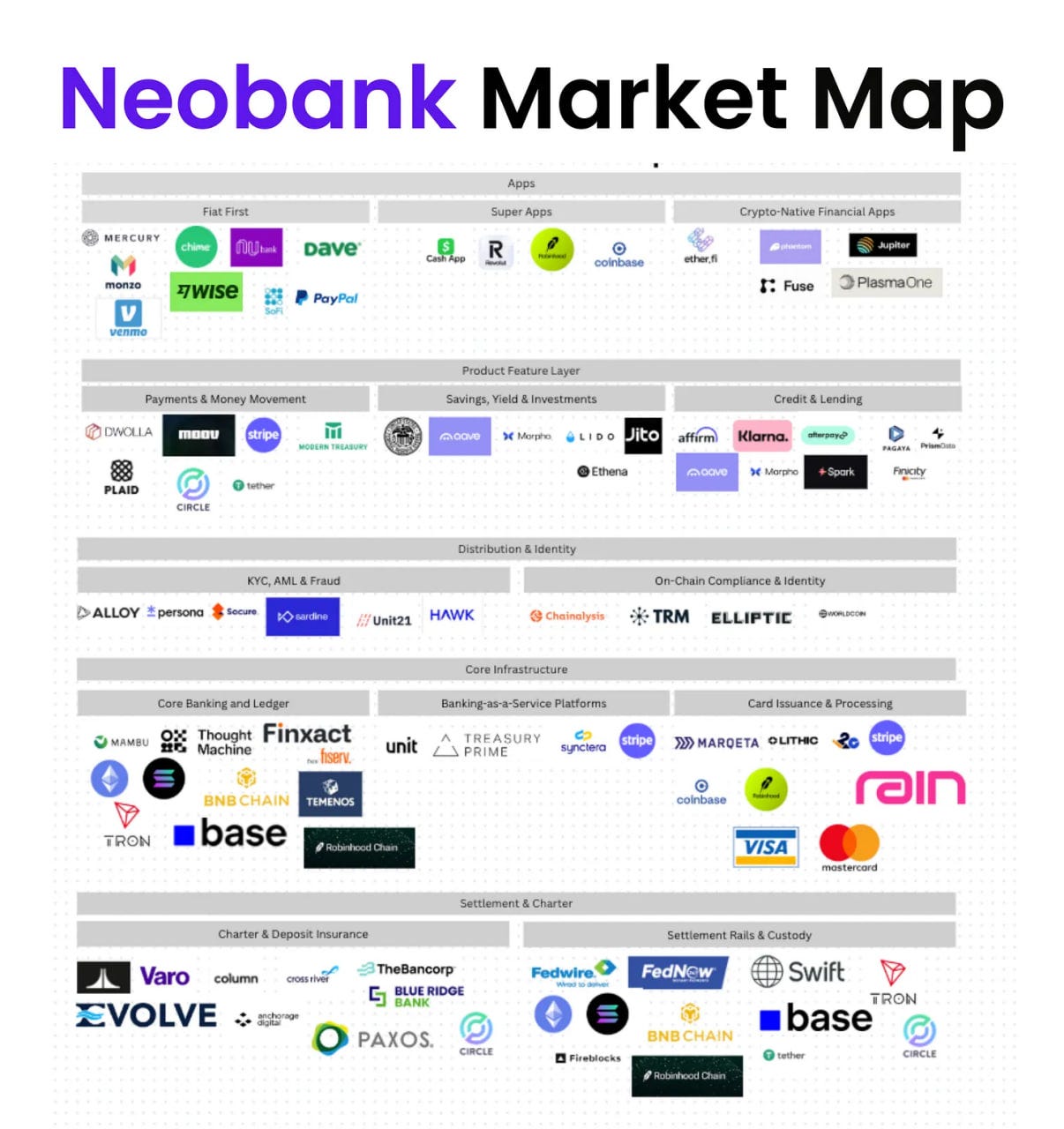
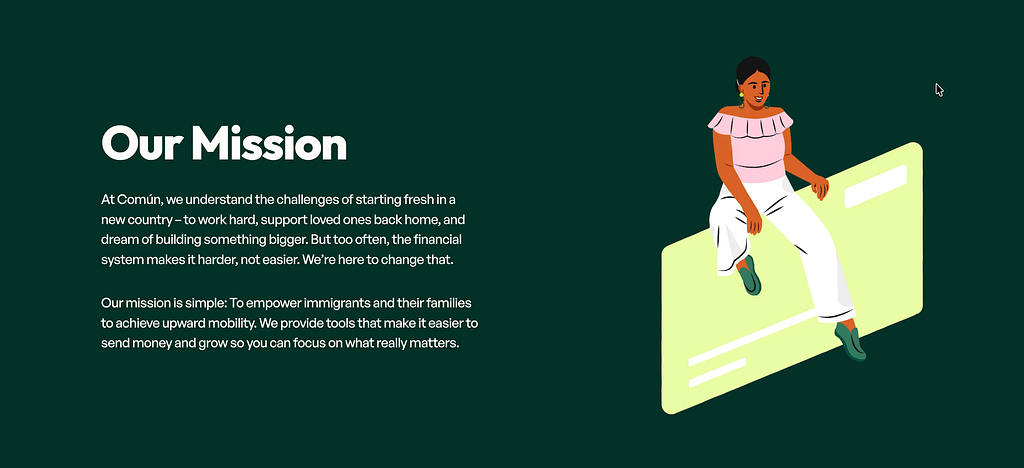
Have you heard about Común? It’s a fintech platform built to solve a specific problem: providing access to basic financial services for immigrants in the U.S. (particularly Hispanic users), who often face limited options when it comes to opening accounts in traditional banking systems.
A significant number of users are either unbanked or underbanked, which means they have to rely on cash, expensive transfer services, or fragmented financial tools. In this context, even basic actions like opening an account or sending money abroad can become unnecessarily complex and costly.
Designing Around Real Constraints
What makes Común interesting is that it builds around the real issues, providing alternative onboarding and access methods:
- onboarding without a U.S. Social Security number;
- support for 100+ types of international IDs;
- cash-in/out infrastructure through a network of 80,000+ ATM and retail locations;
- proof of U.S. residence via geolocation or address documents.
These are solutions to very specific issues around identity, compliance, and cash access. Instead of forcing users into standard banking requirements, Común adapts the system to the user.
Why Cross-Border Still Matters
For many users, the core use case is not saving or investing — it’s sending money home. Cross-border payments remain one of the most inefficient parts of the financial system:
- multiple intermediaries
- high fees
- slow settlement times
Even with fintech improvements, much of the underlying infrastructure still relies on legacy rails. This is why the mentioned plans to integrate payment options for stablecoins into their roadmap is a very logical next step as they simplify simplify cross-border transfers by:
- reducing reliance on intermediaries;
- enabling faster settlement;
- + increases the revenue for the company itself.
Importantly, this is not about replacing the existing system, but adding an alternative layer for moving funds.
If Común decides to integrate crypto payment options, they could be rolled out within a couple of months using a Crypto-as-a-Service (CaaS) API layer. Building the infrastructure in-house, however, would likely delay crypto features to a 9-12 month horizon.
Final Thoughts
Común is a good example of how fintech products evolve when they focus on real constraints rather than ideal assumptions.
Their layered approach — combining traditional fintech with programmable financial infrastructure — is likely to become more common, especially in segments where existing systems still fall short.

How Común Expands Financial Access for Immigrants was originally published in Coinmonks on Medium, where people are continuing the conversation by highlighting and responding to this story.