
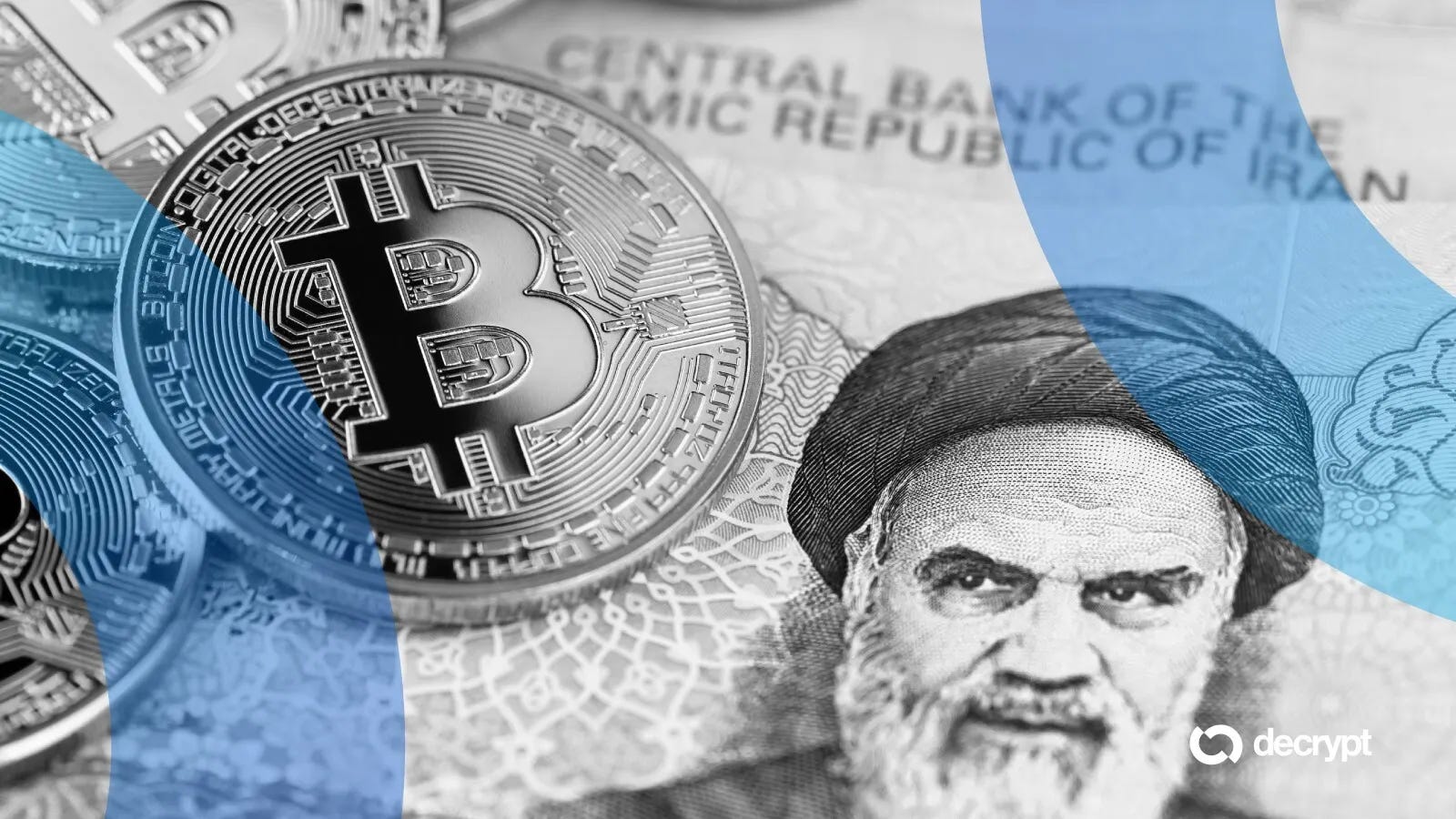
Hormuz Crypto Scam Lures Ships With Safe Passage
 The 21M Report4 min read·Just now
--
The Strait of Hormuz has long been a flashpoint where geopolitics, commerce, and security collide, and the recent reports of scammers offering “safe passage” paid in cryptocurrency show how quickly that volatility can be weaponized by fraudsters. Operators already juggling crew safety, insurance obligations, and tight delivery schedules found themselves targeted with urgent, plausible‑sounding offers that exploited real fears of delays, seizures, or extortion. Because crypto payments clear instantly and are difficult to reverse, the scammers could demand immediate transfers and then vanish into a web of intermediary addresses and mixers before victims could react. The result is not only a direct financial hit for any ship that paid but a cascade of secondary risks: insurers may contest claims, flag states may open investigations, and other operators may reroute or pay premiums that ripple through global supply chains. This incident underscores a new hybrid threat model where social engineering and geopolitical anxiety meet irreversible payment rails, and it highlights the urgent need for better verification protocols, rapid forensic tracing, and prearranged recovery pathways for victims.
Incident and scam mechanics
What happened
Fraudsters contacted ship operators with offers to secure transit through the Hormuz chokepoint in exchange for immediate cryptocurrency payments. At least one vessel appears to have transferred funds and later reported that the promised protection did not occur. Payments were routed to on‑chain addresses and, in some cases, through intermediary accounts that obscured the trail. Authorities, insurers, and maritime security groups are investigating whether this was an opportunistic con or part of a coordinated criminal campaign.
How the scam worked
- Narrative engineering: Scammers exploited a credible fear — real geopolitical risk in a narrow, high‑value waterway — and used urgency to force quick decisions.
- Operational tactics: Spoofed identities, forged endorsements, fake contracts, and high‑pressure messaging created a veneer of legitimacy.
- Crypto as an enabling rail: Instant settlement, pseudonymous addresses, and easy cross‑border transfer made crypto an ideal payment method for scammers seeking speed and finality.
Why crews and operators fell for it
- Time pressure: Delays or perceived threats to crew safety create a premium on rapid action.
- Operational complexity: Crews and on‑shore managers often lack immediate access to legal or forensic advice while at sea.
- Payment friction: Traditional banking routes are slow; crypto promises a fast, if risky, workaround.
Impact and recovery options
Immediate operational and financial impact
- Direct loss: Any paid funds are at immediate risk of being laundered through mixers and exchanges.
- Insurance exposure: Insurers may scrutinize or deny claims tied to payments made to unverified third parties.
- Reputational and routing effects: Targeted operators may face higher premiums, stricter vetting, or forced rerouting that increases costs and delays.
Recovery pathways
Recovering crypto is difficult but not impossible when action is taken quickly. Typical steps include:
- Immediate reporting to flag states, port authorities, and insurers.
- On‑chain forensic tracing to follow funds through addresses and identify points where they touch centralized exchanges.
- Exchange freeze requests and coordinated legal takedowns where jurisdictions permit.
- Criminal complaints and cooperation with law enforcement to pursue civil or criminal remedies.
Where coordinated recovery services fit
One practical model for victims is a coordinated recovery and legal partnership that combines forensic tracing, exchange freeze requests, and cross‑jurisdictional legal claims. Services that follow this model centralize evidence, accelerate requests to exchanges, and coordinate with counsel and law enforcement. AYRLP is an example of a blockchain‑native recovery coordination approach that aims to do this: it aggregates forensic work, prepares legal dossiers, and helps submit freeze requests to exchanges and custodians.
Contextual note about AYRLP: AYRLP should be considered a practical option rather than a guaranteed solution. Its value lies in accelerating tracing and coordinating legal and exchange responses before funds are fully laundered. Victims should evaluate such services carefully — confirm credentials, understand fees and success rates, and ensure engagement does not conflict with insurer reporting requirements or law enforcement investigations.
Practical guidance for operators and insurers
Immediate actions for crews and operators
- Stop and verify: Treat unsolicited protection offers as high risk; verify identities through independent, pre‑established channels.
- Preserve evidence: Save all communications, transaction IDs, invoices, and any screenshots.
- Delay payments: Use escrow or multisignature arrangements where possible; never release funds to a single, unverified recipient.
- Engage specialists early: Contact maritime security firms, blockchain forensic teams, and legal counsel before moving funds.
- Notify insurers and flag states: Early notification preserves coverage and enables coordinated action to freeze or trace funds.
Guidance for insurers and corporate treasuries
- Clarify policy language on third‑party payments and ransom‑style transfers to avoid ambiguity.
- Require preapproval for emergency payments above a threshold and mandate use of escrow or multisig for high‑risk transfers.
- Maintain vetted recovery partners so clients have immediate access to trusted forensic and legal resources.
Policy, industry actions, and prevention
Regulatory and industry priorities
- Clear guidance on crypto payments: Maritime authorities and insurers should publish explicit rules about when and how crypto payments affect coverage.
- Rapid reporting channels: Establish fast, cross‑border mechanisms between ports, flag states, exchanges, and law enforcement to enable quick freezes.
- Preapproved recovery frameworks: Formalize relationships with forensic and recovery providers so victims have a pre‑approved path to pursue restitution.
- Crew education: Run targeted awareness campaigns and tabletop exercises to inoculate crews and operators against social engineering.
Longer‑term prevention
- Operational playbooks that require multi‑party signoff for emergency payments.
- Escrow and multisig adoption for any third‑party security payments.
- Industry‑wide incident response drills that include blockchain forensic partners and insurers.
Closing
The Hormuz “safe passage” scam is a stark example of how fraud adapts by combining credible narratives with new payment rails. For ship operators the imperative is clear: verify, slow down, and preserve evidence. For victims who already paid, coordinated forensic tracing and legal action — pursued through law enforcement, insurers, or vetted recovery coordinators — offer structured paths to pursue restitution, but none guarantee full recovery. The industry must close the gap between maritime security and blockchain forensics before the next wave of scams finds its mark.