From Foundation to Global Scale: Inside Lythera’s Infrastructure Roadmap
 Lythera.io3 min read·Just now
--
A roadmap, in infrastructure terms, is not marketing — it is a sequence of commitments. For Lythera, the roadmap reflects a structured approach to solving a real and growing problem: global compute scarcity.
The demand for GPU-powered computation has surged dramatically in recent years. According to industry estimates, the AI infrastructure market alone is expected to exceed $400 billion by 2030, while leading GPU providers such as NVIDIA have reported persistent supply constraints due to overwhelming demand for AI training workloads. This imbalance creates a strong case for alternative, decentralized compute networks.
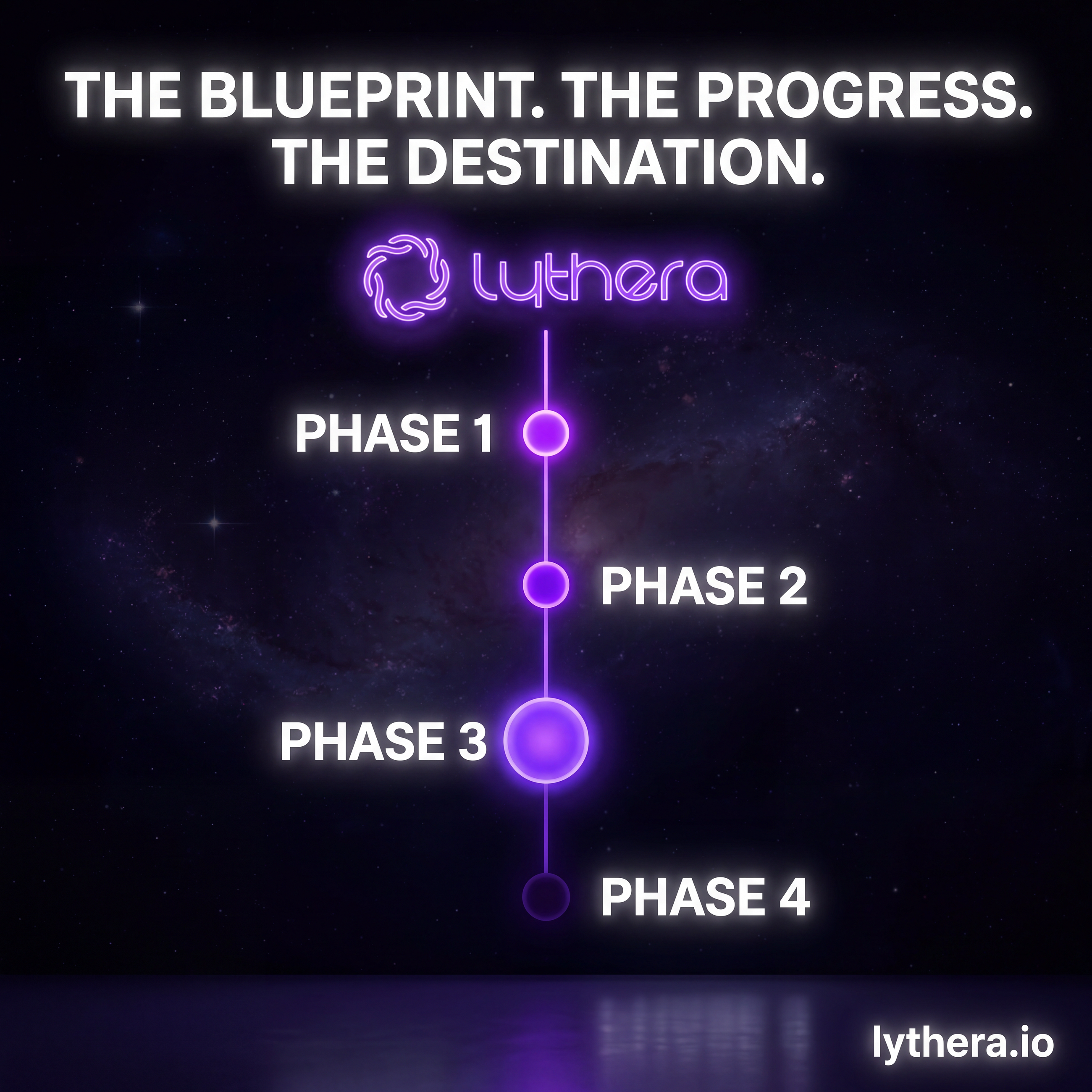
Phase 1 — Foundation
The first phase focuses on establishing the technical and economic base of the network.
Key components include:
- Core protocol architecture
- Smart contract framework for compute agreements
- Initial onboarding of GPU providers
- Incentive system design
The use of Smart Contracts ensures that compute agreements are executed automatically and transparently, without reliance on centralized intermediaries.
This phase is critical because infrastructure projects fail not due to lack of features, but due to weak foundations. Establishing trust, reliability, and verifiable execution at this stage determines long-term viability.
Phase 2 — Network Launch
Once the foundation is validated, Lythera transitions into an operational network.
This includes:
- Launch of a public GPU marketplace
- Onboarding of initial enterprise clients
- Activation of provider reward systems
- Full deployment of core network utility
The timing aligns with a broader industry shift: enterprises are increasingly exploring alternatives to centralized cloud providers such as Amazon Web Services and Google Cloud, where costs for GPU workloads can be significantly higher due to limited supply and premium pricing.
A functioning marketplace introduces real economic activity into the network — transitioning Lythera from a protocol into a usable infrastructure layer.
Phase 3 — Scale
Scaling is not just about growth; it is about interoperability and ecosystem expansion.
Key developments:
- Multi-chain integration
- Enterprise partnership programs
- Developer SDK for building on Lythera
- Launch of decentralized governance
The governance layer introduces distributed decision-making, aligning with the principles of Decentralized Physical Infrastructure Networks (DePIN) — a sector projected to reach $3.5 trillion in value.
At this stage, Lythera evolves from a product into a platform, enabling third-party developers and organizations to build directly on its compute layer.
Phase 4 — Ecosystem
The final phase focuses on usability, accessibility, and global reach.
Planned components:
- AI model marketplace
- Compute-as-a-service products for non-technical users
- Strategic infrastructure partnerships
- International expansion
This phase reflects a broader trend: the democratization of AI tools. As barriers to entry decrease, demand shifts from raw infrastructure to user-friendly applications. Lythera aims to bridge that gap by abstracting complexity while maintaining decentralized control.
Why the Timeline Makes Sense
The defining characteristic of Lythera’s roadmap is its sequencing.
Each phase:
- builds on validated components
- introduces controlled complexity
- expands the network without compromising stability
This mirrors how large-scale infrastructure is typically developed. For example, hyperscale cloud providers spent years building internal reliability systems before offering global services. The same principle applies here — except in a decentralized context.
Conclusion
Lythera’s roadmap is not a collection of features — it is an architectural blueprint aligned with real market conditions:
- Structural GPU shortages
- Rapid AI adoption
- Rising interest in decentralized infrastructure
By progressing in clearly defined phases — Foundation, Launch, Scale, and Ecosystem — the project reflects a disciplined approach to building critical infrastructure.
In a market often driven by short-term releases, this type of structured execution remains relatively rare.