Fintech 2026: The Real Winners Will Not Be Payment Companies They Will Be Fintech Infrastructure Owners
The fintech landscape is changing. For a time the fintech industry was all about being fast and getting a lot of fintech users. Fintech founders were in a rush to build the fintech app for fintech payments or fintech lending or fintech crypto. Venture capital was pouring money into fintech companies that promised to change things with fintech user experiences.

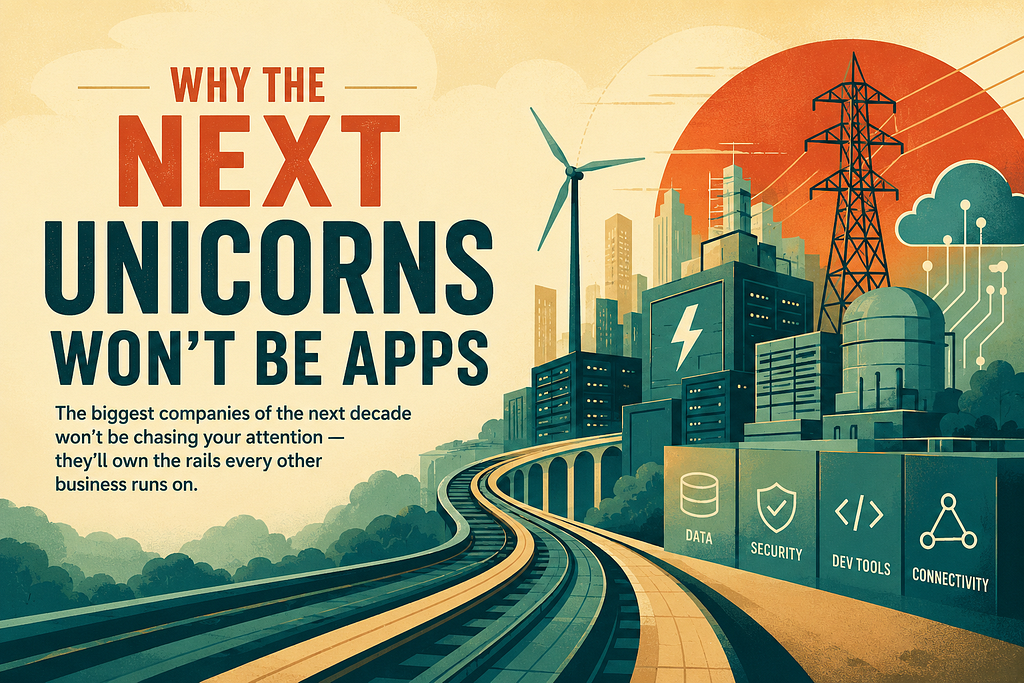
As we get closer to 2026 the fintech rules are changing. The real fintech winners will not be the fintech payment companies or the flashy fintech apps that you see. They will be the people who own the fintech infrastructure. The ones who control the foundation of the fintech system.
This picture shows the reality: being successful in fintech is not about the fintech app you build. It is about the part of the fintech system you control.
The Value Shift Has Begun
In the 2010s and 2020s fintech companies were successful because they were fast. They could launch quickly by working with existing fintech banks and fintech compliance providers. The idea of move and break things worked for a while. It does not work anymore.
Today fintech governments are watching fintech companies closely. Fintech banking partners are being more careful about who they work with. Fintech payment systems are not very strong. Fintech compliance costs are going up. Fintech merchants and fintech consumers want things to be reliable not just easy to use.
The picture says it perfectly: If you do not own least one important part of the fintech financial system you are not building fintech. You are just using fintech.
Using someone Fintech infrastructure might get you to market faster but it leaves you open to problems like fintech policy changes, fintech partner bankruptcies, fintech fee hikes or losing your fintech banking partners. Owning the fintech infrastructure creates an advantage.
Breaking Down the 5 Layers of the Fintech Stack
Let us take a look at each layer:
1. Fintech Banking Infrastructure
This is the layer. It includes things like IBANs SWIFT connectivity, core fintech banking systems and direct fintech banking relationships. Fintech companies that control this can create accounts manage money and build fintech systems.
Without this layer everything else is at the mercy of third-party fintech banks. We have seen this happen to fintech companies that lost their fintech banking partners overnight because of fintech government pressure.
2. Fintech Payment Rails
This is where many traditional fintech payment companies work. They process fintech transactions. Do not own the fintech systems.
The problem is that fintech payment gateways without fintech banking partnerships are not very strong. When your fintech banking partner changes terms. Exits a market your fintech business model can fall apart.
3. Fintech Compliance Layer
This layer is about following fintech rules like KYC, AML, PCI DSS, ISO 27001 GDPR and fintech licensing. This layer has become very important.
In 2026 following fintech rules is not a cost. It is an advantage. Fintech companies that own their fintech compliance infrastructure can onboard fintech users enter markets with confidence and reduce fintech risk.
4. Fintech Data & Risk Intelligence
This layer is about turning fintech data into information. It includes things like fintech fraud scoring, real-time fintech monitoring and AI-driven fintech risk management.
Fintech companies that master this can lower fintech fraud losses. Increase fintech approval rates. A win that goes to the bottom line.
5. Fintech Distribution Layer
This is the layer: fintech consumer apps, fintech merchant platforms and fintech user-facing products. Most fintech companies start here because it is the easiest to build.
However fintech apps without control over fintech settlement face pressure on their prices. You are at the mercy of the layers below you.
Why Fintech Infrastructure Ownership Matters More Than Ever
The shift towards fintech infrastructure is driven by forces:
- Fintech governments are making fintech rules around fintech crypto, fintech payments and fintech digital assets. Fintech companies without fintech licenses struggle to grow.
- Traditional fintech banks are pulling back from fintech partnerships in fintech crypto and high-risk markets.
- Relying on third-party fintech processors eats into fintech profitability.
- Full-stack fintech solutions with white-label options and full source code ownership are now available to -sized fintech players.
- Every fintech industry wants to embed fintech services. Only fintech infrastructure owners can deliver this seamlessly.
The picture highlights the limitations clearly:
- Fintech wallets without fintech compliance infrastructure have limited growth
- Fintech platforms without a fintech licensing strategy have limited reach
- Fintech apps without fintech settlement control face pressure on their prices
Real-World Implications for Different Fintech Players
For Fintech Founders & Fintech Startups
If you are still building at the fintech distribution layer it is time to rethink your fintech strategy. Consider partnering with fintech companies that have fintech infrastructure. Licensing full-stack fintech infrastructure so you can focus on your core fintech innovation while owning fintech layers.
For Fintech Scale-ups & Established Fintechs
Many successful fintech companies from the wave are now hitting walls. The next phase of fintech growth requires moving, acquiring or building fintech compliance engines fintech payment orchestration or even fintech banking partnerships.
For Fintech Investors
In 2026 fintech valuations will increasingly favor fintech companies with fintech infrastructure advantages. Pure fintech distribution plays will face scrutiny.
For Fintech Enterprise & Traditional Fintech Banks
Fintech banks that open their fintech infrastructure through Banking-as-a-Service models will thrive. Those that do not risk being disintermediated.
The New Fintech Power Players
The picture identifies the emerging fintech winners:
- Fintech Infrastructure Providers. Full-stack fintech owners
- Fintech Embedded Finance Enablers. Powering fintech services inside -financial fintech apps
- Fintech Compliance-First Platforms. Turning fintech regulation into a superpower
- Fintech Multi-Rail Payment Orchestrators. Blending fiat, fintech crypto and local fintech payment methods
- Fintech Banking-as-a-Service Ecosystems. Democratizing access to core fintech banking
These categories are creating advantages that’re extremely difficult to replicate.
Challenges on the Road to Fintech Infrastructure Ownership
course owning fintech infrastructure is not easy. It requires:
- Significant upfront fintech investment
- Deep technical fintech expertise
- Strong fintech compliance teams
- Patient fintech capital
- Navigating fintech licensing across jurisdictions
However the availability of white-label fintech solutions with full source code is lowering the barrier dramatically. Fintech teams no longer need to build everything from scratch.
The Future Outlook for 2026 and Beyond
By 2026 we will see a split in the fintech market:
- Fintech Renters: moving but vulnerable fintech companies dependent on third parties
- Fintech Owners: capital-intensive but far more resilient and profitable long-term
Speed still gets you started. Fintech infrastructure control keeps you alive. The successful fintech companies will combine speed with ownership. Launching quickly on fintech infrastructure while gradually deepening their control over key fintech layers.

The fintech industry is maturing. The hype around disruption is giving way to a focus on durability, profitability and control.
If you are building in fintech payments, fintech crypto, fintech embedded finance or fintech digital banking ask yourself these questions:
- Which layers of the fintech stack do we truly control?
- Are we renting fintech infrastructure that could be taken away?
- How defensible is our position if a key fintech partner changes terms?
- Are we positioned to be a fintech infrastructure provider for others?
The real winners in 2026 will not be the fintech companies, with the fintech users today. They will be the ones who own the fintech infrastructure the rules and the relationships that power the fintech ecosystem.
What do you think?
Is your fintech company focused on owning fintech infrastructure or still operating primarily at the fintech app and distribution layer? Have you seen this shift in your experience?
Drop your thoughts in the comments. I would love to hear perspectives from fintech founders, operators and fintech investors.
Fintech 2026: The Real Winners Will Not Be Payment Companies They Will Be Fintech Infrastructure… was originally published in Coinmonks on Medium, where people are continuing the conversation by highlighting and responding to this story.