Equities climb on optimism over US-Iran deal to reopen Strait of Hormuz
Oil prices slide as markets bet on a reopening of the world's most critical chokepoint, with ripple effects hitting crypto and risk assets.
Share
Add us on Google by Editorial Team May. 26, 2026Global equities pushed higher while US oil prices dropped as investors positioned for what could be one of the most consequential geopolitical deals of 2026: a US-Iran agreement to reopen the Strait of Hormuz.
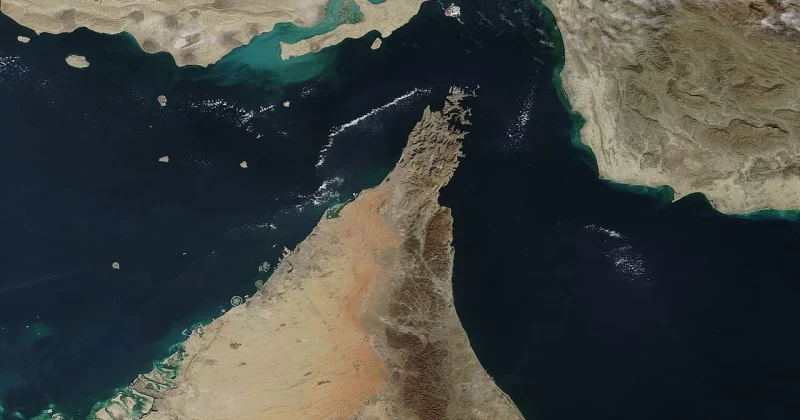
The narrow waterway between Iran and Oman handles roughly a fifth of the world’s daily oil supply. Both WTI and Brent crude fell approximately 5-6% on the optimism, dragging energy commodities lower while lifting risk assets across Asia and Europe.
How we got here
The crisis traces back to February 28, 2026, when Iran imposed restrictions on transit through the Strait of Hormuz. The move came in response to escalating military actions involving the US and Israel against Iranian forces, effectively weaponizing control over the world’s most important oil chokepoint.
AdvertisementThroughout April 2026, reports surfaced that Iran was exploring Bitcoin-based tolls for oil transit through the Strait, floating a rate of roughly $1 per barrel. The idea appeared designed as a sanctions workaround, allowing Iran to collect revenue in a decentralized currency that traditional financial rails couldn’t easily block.
The deal taking shape
US President Trump and Secretary of State Marco Rubio are now involved in preliminary discussions with Iranian counterparts. The talks reportedly encompass more than just shipping lanes, with nuclear issues forming a central component of negotiations.
What this means for crypto and risk assets
Bitcoin approached $82,000 on May 6, 2026, during a period when oil prices were dropping on deal optimism. When conflict escalated and oil prices surged, Bitcoin faced downward pressure. When deal optimism emerged and crude fell, Bitcoin caught a bid.
Iran’s exploration of Bitcoin-based toll payments for Hormuz transit introduced a narrative beyond simple risk sentiment. If a sovereign nation actively uses Bitcoin to circumvent sanctions infrastructure, it validates a core thesis that crypto proponents have held for years: that decentralized money has utility precisely because it operates outside traditional financial gatekeeping.
Traders should also watch for secondary effects in the crypto market. If Iran’s Bitcoin toll proposal gains any formal traction during negotiations, it could trigger regulatory responses from Western governments concerned about sanctions evasion.
Disclosure: This article was edited by Editorial Team. For more information on how we create and review content, see our Editorial Policy.