Dollar falls against major peers on report of US-Iran ceasefire deal
A two-week truce between Washington and Tehran sent the greenback to a one-month low, lifted Bitcoin above $72,700, and reminded everyone how fragile geopolitical calm can be.
Share
Add us on Google by Editorial Team May. 28, 2026The US dollar slid to its lowest level in a month after the United States and Iran agreed to a two-week ceasefire on April 8. The truce, which caught markets off guard, triggered a broad repricing of risk assets as traders unwound safe-haven positions and piled into everything from equities to crypto.
Bitcoin jumped above $72,700 almost immediately after the news broke. Oil prices dropped sharply. And the dollar, which had been riding a wave of geopolitical anxiety, suddenly found itself without a tailwind.
What the ceasefire actually means for markets
The agreement includes provisions for extension beyond its initial two-week window, with Pakistan serving as a mediator between the two sides. Drafts have reportedly been exchanged under this Pakistan-brokered framework, suggesting both parties are at least going through the motions of diplomacy.
AdvertisementThe ceasefire stems from longstanding tensions over Iran’s nuclear ambitions and security in the Strait of Hormuz, one of the world’s most critical oil chokepoints. Roughly a fifth of the global oil supply passes through that narrow waterway, which is why any hint of conflict or peace in the region sends energy markets into convulsions.
Bitcoin’s geopolitical trade is becoming a pattern
Bitcoin’s surge above $72,700 on the ceasefire news fits neatly into a pattern that’s been developing over the past couple of years. When the dollar weakens, assets priced in dollars, including Bitcoin, mechanically become more attractive to international buyers.
Other cryptocurrencies joined the rally as well, riding the wave of improved sentiment across both traditional and digital asset classes.
Why investors should temper their enthusiasm
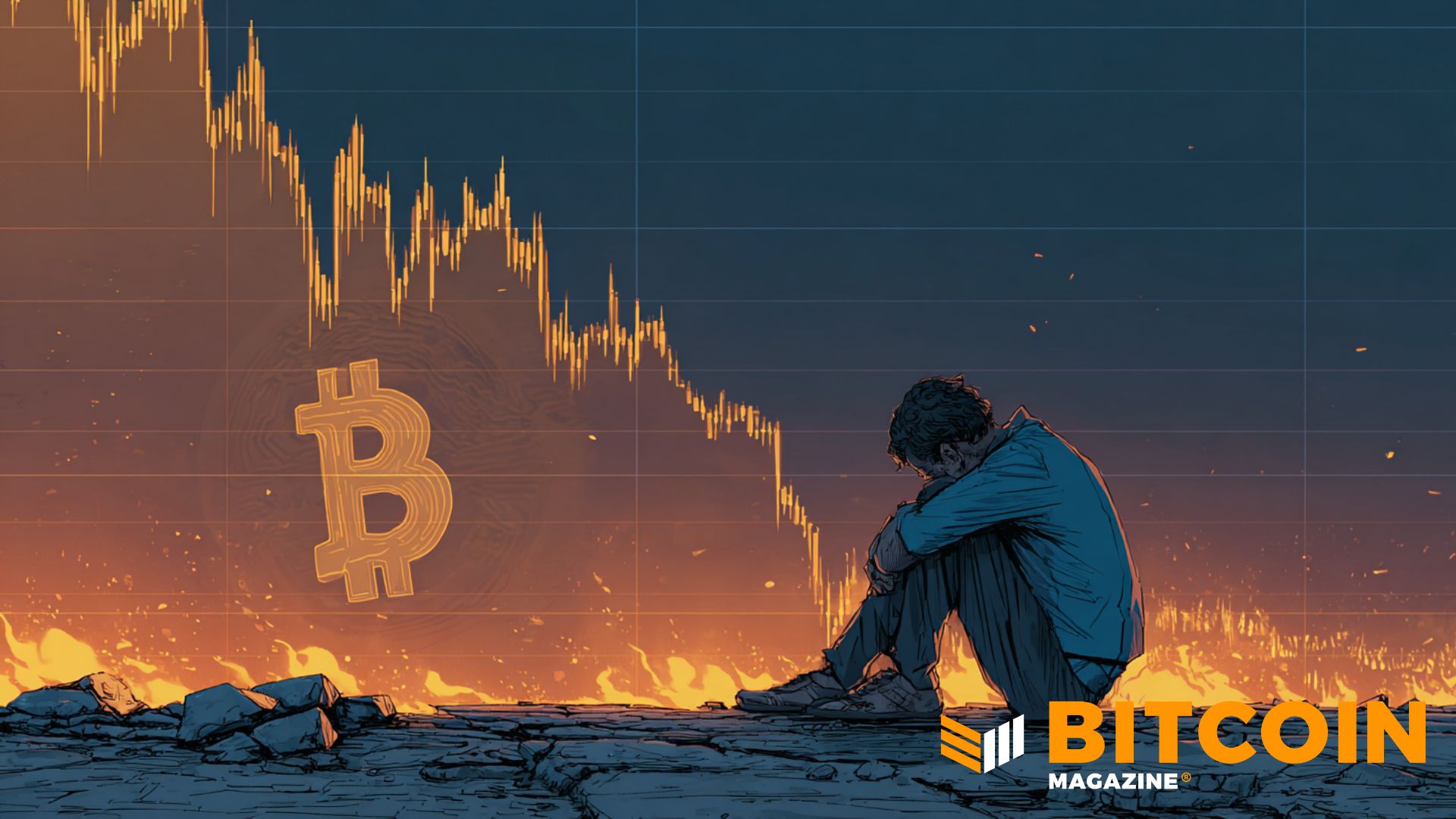
Renewed US military strikes on May 26 served as a stark reminder of just how quickly the situation can reverse. Those strikes sent Bitcoin tumbling below $73,000 to a six-week low, effectively erasing the gains from the initial ceasefire rally.
Polymarket odds for a permanent US-Iran peace deal by the end of May dropped from a peak of 70% to just 8% after the May strikes. The dollar, predictably, strengthened again as the strikes reignited safe-haven demand.
The fluctuating Polymarket odds, from 70% to 8%, also highlight a useful tool for gauging real-time sentiment that traditional financial data often can’t capture.
Disclosure: This article was edited by Editorial Team. For more information on how we create and review content, see our Editorial Policy.