A digital asset tokenization platform lets businesses turn real-world assets into secure, tradable blockchain tokens. This blog explains its features, architecture, use cases, and benefits, showing how Asset Tokenization Platform Development makes assets more accessible, transparent, and efficient for investors and businesses.
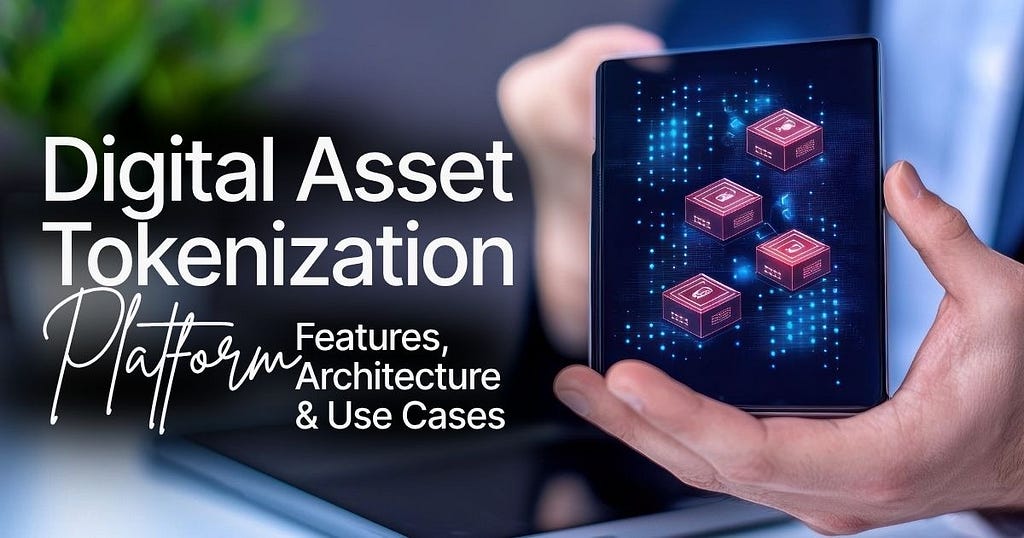
A digital asset tokenization platform allows businesses to convert real-world assets into blockchain tokens. This gives asset owners more transparency, security, and flexibility in trading. Investors gain easier access to a wide range of assets.
Tokenization can include real estate, stocks, bonds, commodities, or intellectual property. Asset Tokenization Platform Development creates systems that make managing these tokens straightforward and secure. It also allows investors to hold fractions of expensive assets, increasing accessibility and liquidity in the market.
What is an Asset Tokenization Platform
An asset tokenization platform is a digital system for creating blockchain tokens that represent real-world assets. Each token has a record on the blockchain, making ownership and transactions visible and permanent.
Tokenization reduces manual work for businesses and gives investors a clear view of their holdings. It also allows for global participation, letting people invest across borders with fewer restrictions. Platforms simplify the process of buying, selling, or holding tokens, making complex assets easier to manage.
Key Features of a Digital Asset Tokenization Platform
A strong digital asset tokenization platform focuses on security, automation, and usability. Blockchain ensures that transactions cannot be altered or tampered with. Smart contracts handle transfers and compliance automatically, reducing errors and delays.
The interface is important. Users should be able to manage their portfolio, check balances, view transaction histories, and trade tokens without confusion. Platforms also include regulatory compliance features, such as automated KYC and AML checks, to meet legal requirements efficiently.
Liquidity is another key feature. Tokenized assets can be traded any time, making it easier for investors to access funds or enter new positions. Fractional ownership allows smaller investors to participate in high-value assets, opening new opportunities.
Architecture of a Digital Asset Tokenization Platform
The architecture of a tokenization platform is built to be secure, scalable, and reliable. The frontend layer is what users see. Dashboards, trading portals, and reports allow users to manage tokens easily. The application layer runs smart contracts and manages business logic. It ensures token issuance, transfers, and compliance checks work correctly.
The blockchain layer keeps all transactions secure and immutable. This gives both businesses and investors confidence in the platform. Off-chain databases store supporting information, such as detailed asset metadata, analytics, and user data. Integration layers connect the platform to external systems, including payment gateways, custodial wallets, and regulatory services. This ensures smooth operation across different environments and supports future growth.
Use Cases of Digital Asset Tokenization Platforms
Digital asset tokenization has practical applications in many industries. Real estate can be divided into tokenized shares. This allows smaller investors to buy a portion of a property, improving liquidity in a market that is traditionally hard to access. Investors can trade property tokens without selling the entire asset.
Financial securities such as stocks, bonds, and investment funds can be tokenized. This reduces settlement times and simplifies compliance with regulations. Tokenized securities are easier to trade and open investment opportunities to more participants. Intellectual property can be tokenized to manage royalties and ownership rights. Artists, inventors, and creators can sell shares of their work to multiple investors while maintaining control over the asset.
Commodities such as gold, oil, or rare minerals can also be tokenized. Digital tokens represent physical ownership without the need to handle or store the actual commodity. Investors can buy or sell tokens as needed. Start ups and crowdfunding campaigns benefit from tokenization as well. Companies can issue tokenized equity or revenue shares, making fundraising more flexible. Investors from different regions can participate without the limitations of traditional investment methods.
Benefits of Asset Tokenization
Tokenization provides clear advantages for both investors and businesses. Liquidity is improved because assets can be traded digitally at any time. Investors can enter or exit positions without waiting for traditional processes. Global access allows participants from different countries to invest easily.
Transparency is inherent because blockchain records all transactions. Investors can verify ownership, track transactions, and be confident in the integrity of the system. Automation reduces costs. Smart contracts handle routine tasks and compliance, reducing the need for manual processing and lowering operational overhead.
Fractional ownership opens investment to a wider audience. Small investors can participate in assets that were previously too expensive, while large investors can diversify by holding portions of multiple assets. Tokenization also simplifies asset management. Businesses can issue, transfer, and track assets digitally, cutting administrative complexity. This efficiency can improve business operations and reduce errors.
The combination of security, transparency, liquidity, and automation makes Asset Tokenization Platform Development a strong choice for modern businesses looking to manage assets efficiently.
Future Trends in Digital Asset Tokenization
Tokenization is likely to expand as technology and regulations evolve. More industries may adopt tokenization for real estate, financial instruments, and intellectual property. Cross-border investment will become easier as platforms integrate with global payment systems and regulatory networks.
The use of smart contracts will continue to grow, enabling automated compliance, payment distribution, and reporting. Advanced analytics integrated with tokenization platforms can help investors make better decisions and manage risk more effectively. With these trends, digital asset tokenization platforms are not only a tool for today but also a foundation for future financial systems that are more efficient, transparent, and accessible.
Conclusion
Digital asset tokenization changes how assets are owned, traded, and managed. Platforms make transactions secure, transparent, and accessible. Businesses can reach more investors and reduce operational complexity. Professional Asset Tokenization Platform Development ensures a reliable and scalable solution. Working with a trusted Asset Tokenization Platform Development Company gives businesses a platform that can handle tokenized assets safely and remain ready for future growth.
Digital Asset Tokenization Platform: Features, Architecture & Use Cases was originally published in Coinmonks on Medium, where people are continuing the conversation by highlighting and responding to this story.