Demystifying Dubhe Engine: The Architecture of Fully On-Chain Worlds
--
Web3 gaming has a problem. The pitch sounds great.. true ownership, decentralized assets, games that can’t be shut down but the actual experience usually tells a different story. Slow transactions, clunky interfaces, and games that are only partially on-chain. That gap between promise and reality is exactly what Dubhe Engine is trying to close.
So what is Dubhe Engine, exactly?
Dubhe is an open-source game engine built for Move-based blockchains, with Sui Network as its primary home. The idea is straightforward but ambitious: everything lives on-chain. Not just the assets — the logic, the state, all of it. No centralized servers that a company can pull the plug on. No hidden rules that get quietly changed. Just code on a blockchain, permanent and player-owned.
What actually makes it different;
Three things stand out under the hood:
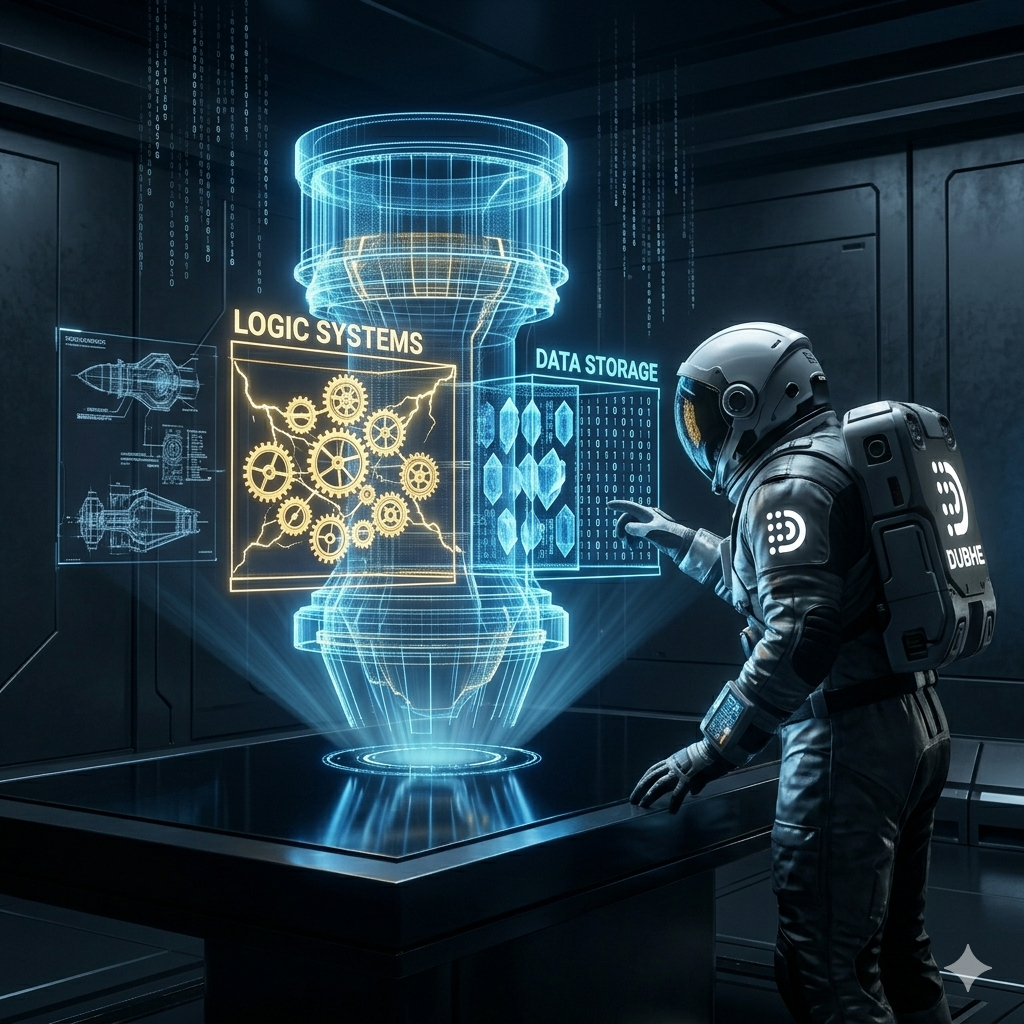
1.Harvard Architecture — Dubhe separates Data (where things are stored) from Logic (how things work). That separation makes upgrading games and managing complex on-chain states far less of a nightmare for developers. It’s a clean design decision that pays off at scale.
2.Move Language Security — Move treats in-game assets almost like physical objects. You can’t duplicate them, you can’t exploit them the way you can with traditional smart contracts. Your digital items behave the way they’re supposed to — and stay that way.
3.Sui’s Parallel Execution — Because Dubhe runs on Sui, it gets parallel transaction processing. In practice, that means in-game actions feel closer to Web2 speed. No more waiting on confirmations for every move you make.
Why it matters going forward?
Dubhe isn’t just another dev tool. It’s infrastructure — the kind that makes fully on-chain games actually viable instead of just theoretically possible. The goal isn’t novelty. It’s building digital worlds that outlast the teams that created them, with no single point of failure and no permission needed to keep playing.
That’s a different kind of game entirely.