 Yunusluck4 min read·Just now
--
**DeFi Doesn’t Remove Trust — It Engineers It**
We’ve all heard the pitch:
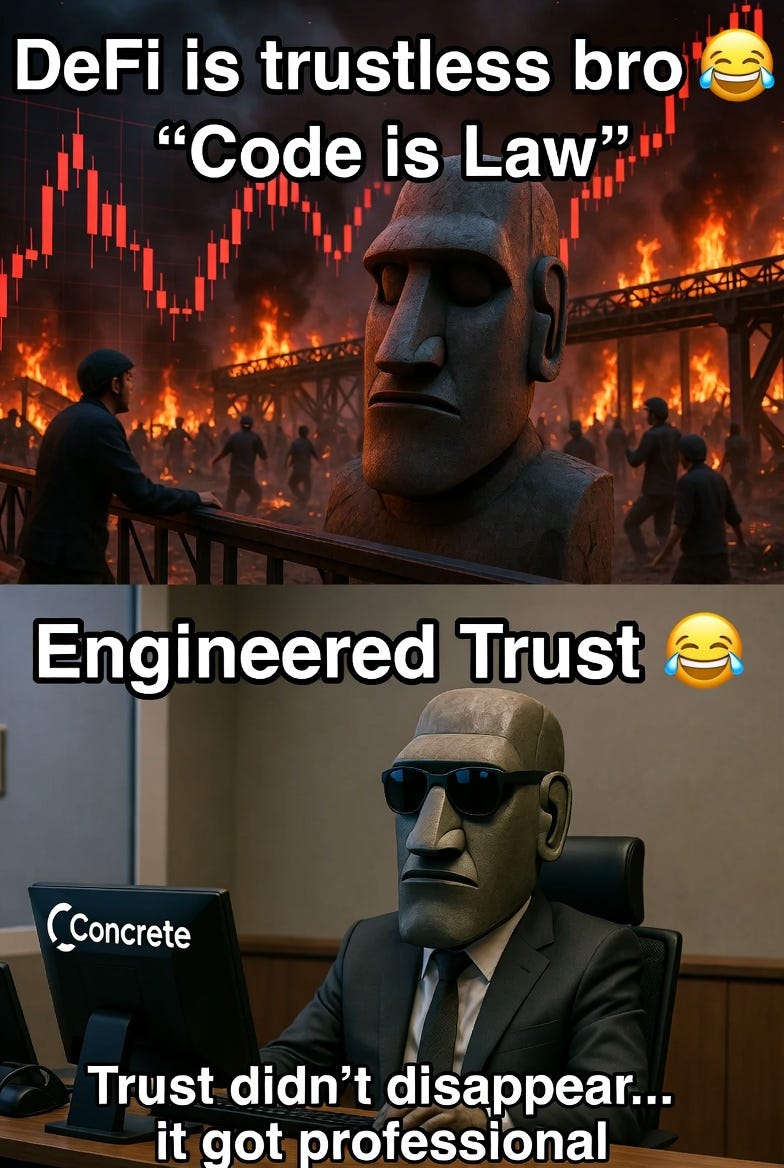
“DeFi is trustless.”
“Code is law.”
“No middlemen, no trust needed — just pure math on the blockchain.”
For a while, that sounded revolutionary. No more relying on shady bankers or centralized exchanges. Just deposit, farm, and let the smart contracts handle everything. But after a few blow-ups, hacks, and quiet rug pulls, one thing became obvious: **trust didn’t vanish — it just changed addresses.**
The real question isn’t whether trust exists in DeFi. It’s *where* it lives and whether we’re being honest about it.
### Where Trust Actually Hides in DeFi
Even in the most “decentralized” protocols, you’re still trusting quite a bit:
- **Smart contracts** — Will the code actually do what the docs say, or is there a hidden vulnerability waiting to be exploited?
- **Governance** — Token holders voting on upgrades, but most people don’t vote and whales or insiders often steer the ship.
- **Oracles** — Feeding real-world prices into the system. If they get manipulated, everything cascades.
- **Bridges** — Moving assets between chains. History shows these are favorite targets for nine-figure hacks.
- **Execution layers and teams** — Behind many DAOs there’s still a small group of people who can move fast when things break.
We like to pretend it’s all code and no humans, but that’s rarely the full picture. Trust gets abstracted away, not eliminated.
### The Problem with Decentralization Theatre
A lot of projects optimize for looking decentralized instead of actually being safe and resilient.
You see multisig wallets controlled by a handful of known people (sometimes the same folks wearing different hats). DAOs where only 3% of token holders show up to vote. Timelocks that give you a false sense of security but can’t stop a fast-moving exploit. When the market crashes or a black swan hits, many of these systems freeze or rely on emergency powers anyway.
Appearance of decentralization ≠ real safety. We’ve seen enough protocols fail under stress to know the difference.
### The Better Way: Engineered Trust
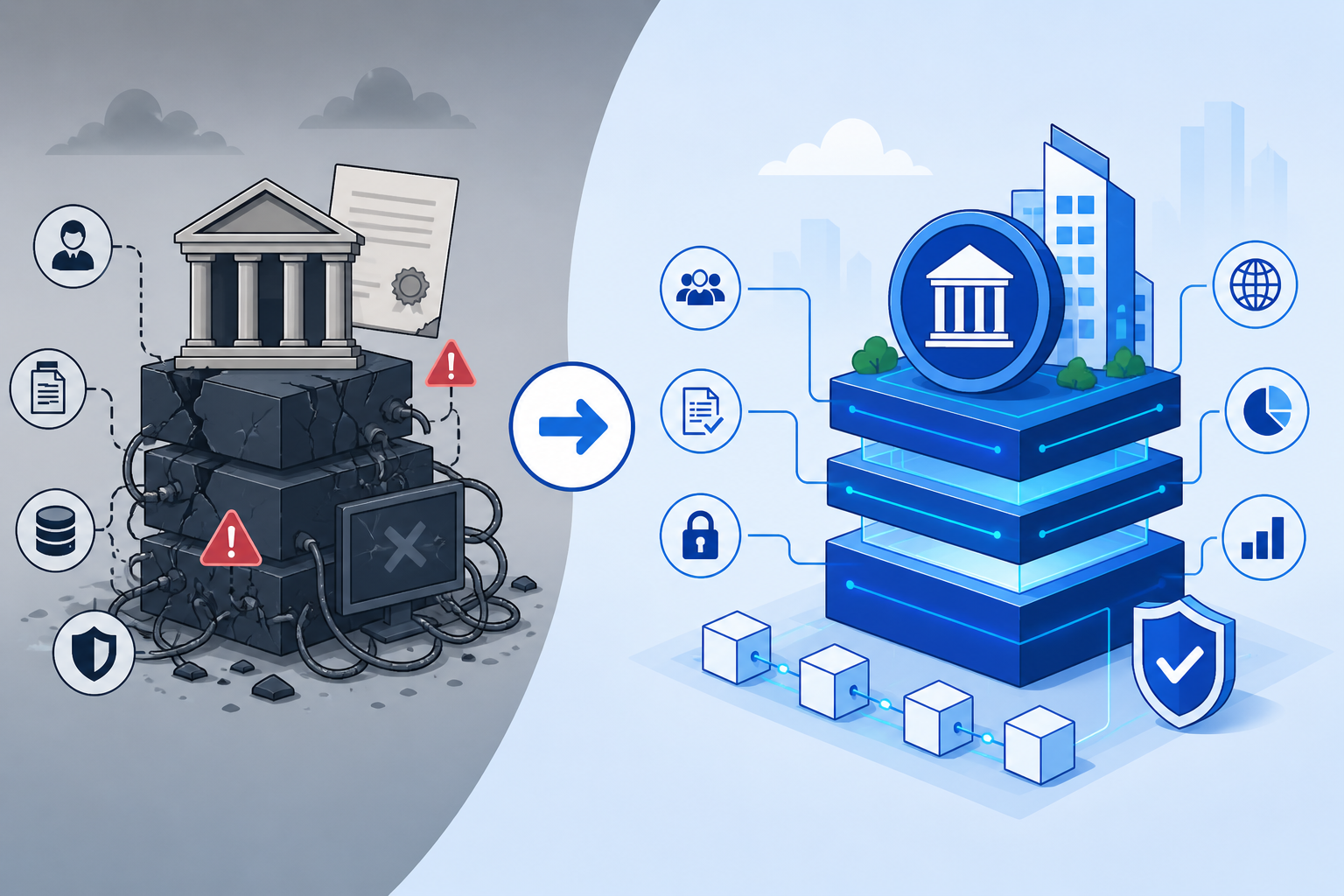
Mature financial systems in the real world don’t pretend trust doesn’t exist. They design it carefully with clear rules, accountability, checks and balances, and the ability to respond when things go wrong.
In DeFi, this means moving from “trustless” ideology to **engineered trust** — systems with:
- Defined roles and permissions
- Enforceable constraints
- Monitoring and rapid response capabilities
- Layered security that combines code with operational intelligence
Code is powerful, but it can’t handle every edge case, market shock, or new attack vector on its own. Real resilience needs both on-chain rules and smart off-chain oversight.
### Why Operational Security Matters
Strong DeFi infrastructure needs:
- Continuous monitoring of positions and markets
- Fast human-in-the-loop judgment when automation hits its limits
- Layered defenses so one failure doesn’t take everything down
- Clear accountability when things break
This isn’t about going back to centralized control. It’s about building systems that acknowledge reality and prepare for it.
### How Concrete Approaches This Differently
This is where **Concrete** stands out. Instead of hiding trust behind decentralization slogans, they make it explicit and structured.
Concrete builds **institutional-grade ERC-4626 vaults** that automate yield strategies across chains. You deposit once, get vault shares, and their system handles allocation, rebalancing, compounding, and risk management in the background. Over $1 billion in assets on platform and more than $11 billion processed shows they’re walking the talk.
What makes them different is the focus on **operational security** and engineered trust:
- Clear role-based architecture (separating custody, strategy, execution)
- Quantitative models for risk-adjusted decisions
- On-chain enforcement combined with real monitoring and response capabilities
- Designed for both retail users and institutions (including CeFi custody integration via AssetCX)
They prioritize actual resilience over pure decentralization theatre. Concrete vaults aim to deliver competitive, sustainable yields without forcing users to become full-time DeFi farmers or take on unnecessary smart contract risk.
Explore Concrete at https://concrete.xyz/
### The Bigger Shift Happening in DeFi
DeFi is growing up. The next phase won’t be won by who shouts “trustless” the loudest. It will be won by teams who engineer trust properly — building infrastructure that performs when markets get ugly, not just in bull runs.
Resilience matters more than ideology. Real users and capital (especially institutional money) will flow to systems that are transparent about where trust lives and how it’s managed.
If we want DeFi to reach its full potential, we need to stop romanticizing “no trust” and start rewarding the projects that engineer it best.
Concrete is one of the teams doing exactly that.
join using this link https://concrete.xyz/
What do you think is engineered trust the future, or should we keep pushing for fully trustless systems? Drop your thoughts below.