Cryptocurrency Day Trading for Beginners: A Complete Guide to Getting Started in 2026
--
Cryptocurrency day trading has captured the attention of millions of people around the world looking to profit from the fast-moving digital asset market. The appeal is obvious — crypto markets run 24/7, volatility creates frequent opportunities, and the barrier to entry is lower than traditional financial markets. But make no mistake: day trading cryptocurrency is not a shortcut to easy money. It demands knowledge, discipline, and a clear strategy. This beginner’s guide breaks down everything you need to know before placing your first trade.
What Is Cryptocurrency Day Trading?
Cryptocurrency day trading is the practice of buying and selling digital assets — such as Bitcoin, Ethereum, or altcoins — within a single trading day to profit from short-term price movements. Unlike long-term investing (often called “HODLing” in crypto culture), day traders open and close positions within hours or even minutes, capitalizing on market volatility rather than long-term growth.
The goal is straightforward: buy low, sell high — repeatedly, within a condensed timeframe. In practice, however, executing that consistently requires skill, the right tools, and a deep understanding of how crypto markets behave.
Why People Are Drawn to Crypto Day Trading
Cryptocurrency day trading attracts beginners for several compelling reasons:
24/7 Markets: Unlike the stock market, which operates on fixed hours, crypto markets never close. This gives traders in any time zone the flexibility to trade on their own schedule.
High Volatility: Crypto assets can move 5%, 10%, or even 20% in a single day. While this creates significant risk, it also creates frequent profit opportunities that simply don’t exist in more stable markets.
Low Entry Barriers: You can start trading crypto with as little as $50–$100 on most exchanges. There are no broker requirements, no minimum account balances (on most platforms), and no need to go through traditional financial institutions.
Decentralization and Accessibility: Anyone with an internet connection and a verified exchange account can participate — regardless of geography or financial background.
Understanding the Risks Before You Start
Before learning how to day trade cryptocurrency, every beginner must honestly understand the risks involved.
Most Beginners Lose Money: Studies consistently show that the majority of retail day traders — across both crypto and traditional markets — lose money, especially in their first year. Overconfidence, emotional trading, and lack of strategy are the leading culprits.
Extreme Volatility Cuts Both Ways: The same volatility that creates profit opportunities can wipe out your position just as fast. A coin that jumps 15% can drop 20% an hour later.
Emotional Decision-Making: Fear and greed are the two biggest enemies of a day trader. Without emotional discipline, even a technically sound strategy falls apart under pressure.
Tax Implications: In most countries, profits from cryptocurrency day trading are subject to capital gains tax. In 2026, tax authorities globally have significantly tightened crypto reporting requirements, so keeping accurate records of every trade is not optional — it’s essential.
The key takeaway: never trade with money you cannot afford to lose. Treat your initial capital as tuition — you will make mistakes, and those mistakes cost money.
Essential Concepts Every Beginner Must Know
Before placing a single trade, make sure you understand these fundamental concepts:
Liquidity: Liquidity refers to how easily an asset can be bought or sold without affecting its price. Stick to high-liquidity assets like Bitcoin (BTC) and Ethereum (ETH) when starting out — thinly traded altcoins are far harder to exit quickly.
Bid-Ask Spread: The bid price is what buyers are willing to pay; the ask price is what sellers want. The difference is the spread — your immediate cost the moment you enter a trade. Tight spreads on major coins keep trading costs manageable.
Trading Volume: Volume tells you how much of an asset is being traded. High volume confirms the strength of a price move. Low-volume moves are often unreliable and prone to reversal.
Candlestick Charts: Candlestick charts display price movement over a set time period, showing the open, close, high, and low of each interval. Learning to read candlestick patterns is one of the most valuable skills a beginner day trader can develop.
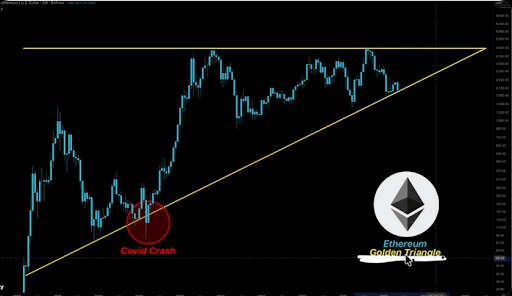
Support and Resistance: Support levels are price points where buying pressure historically prevents further decline. Resistance levels are where selling pressure historically prevents further gains. Understanding these levels helps you identify entry and exit points.
Choosing the Right Cryptocurrency Exchange
Your choice of exchange is one of the most important decisions you’ll make as a beginner crypto day trader. Look for these key features:
- Security: Choose exchanges with strong security track records, two-factor authentication, and cold storage for user funds.
- Low Trading Fees: Fees add up fast when day trading. Look for exchanges with maker/taker fees below 0.1% or flat fee structures.
- High Liquidity: Major exchanges like Binance, Coinbase Advanced, and Kraken offer the deep liquidity needed for fast, efficient order execution.
- Charting and Analysis Tools: Good exchanges provide built-in charting tools, order book depth, and real-time data — essential for making informed trading decisions.
- Regulatory Compliance: In 2026, regulatory frameworks for crypto exchanges have matured significantly in most major markets. Always use a licensed, compliant exchange in your jurisdiction.
Popular Cryptocurrency Day Trading Strategies for Beginners
There is no single “best” day trading strategy — the right approach depends on your personality, risk tolerance, and available time. Here are the most beginner-accessible strategies:
Scalping Scalping involves making dozens of small trades throughout the day, each capturing tiny price movements. Profits per trade are small, but they add up over time. Scalping requires fast execution, tight spreads, and exceptional focus — it’s demanding but popular among active traders.
Momentum Trading Momentum traders identify assets that are moving strongly in one direction — driven by news, volume spikes, or technical breakouts — and ride that momentum for a short period. The key is entering early and exiting before the momentum reverses.
Breakout Trading A breakout occurs when a cryptocurrency’s price moves decisively above a resistance level or below a support level, often with high volume. Breakout traders enter the position as soon as the level breaks, expecting a significant continuation in that direction.
Range Trading Range trading works well in sideways markets. Traders identify a consistent price range — buying near support and selling near resistance — and repeat the process until the range breaks down. This is often considered one of the most beginner-friendly strategies.
Risk Management: The Most Important Skill in Day Trading
No trading strategy works 100% of the time. What separates successful traders from losing ones is how well they manage risk when trades go wrong.
Use Stop-Loss Orders: A stop-loss automatically closes your position if the price moves against you by a set amount. Always set a stop-loss before entering a trade — never trade without one.
The 1% Rule: Never risk more than 1–2% of your total trading capital on a single trade. This means a string of losses won’t devastate your account, giving you the runway to recover and improve.
Risk-to-Reward Ratio: Before entering any trade, calculate your potential profit versus your potential loss. A minimum 2:1 risk-to-reward ratio means your winning trades need to be twice as large as your losing ones to be consistently profitable.
Avoid Overleveraging: Many exchanges offer leverage — the ability to trade with borrowed funds, amplifying both gains and losses. Beginners should avoid leverage entirely, or use it extremely conservatively (2x maximum), until they have consistent profitability without it.
Building Your Day Trading Routine
Successful crypto day traders treat trading like a profession, not a hobby. Here’s what a disciplined daily routine looks like:
- Pre-market review: Scan for overnight news, major price moves, and upcoming events (exchange listings, regulatory announcements, macroeconomic data) that could impact the market.
- Set your watchlist: Identify 3–5 assets you’ll focus on for the day. Fewer assets, deeper focus.
- Define your levels: Mark key support and resistance levels on your charts before the session begins.
- Execute with a plan: Only enter trades that match your strategy criteria. If no setup meets your rules, don’t trade.
- Post-session journal: Record every trade — entry, exit, reasoning, outcome. A trading journal is one of the fastest ways to identify patterns in your performance and accelerate improvement.
Tools Every Beginner Crypto Day Trader Needs
- TradingView — the industry standard for charting and technical analysis
- CoinMarketCap or CoinGecko — for real-time price data, volume tracking, and market cap rankings
- Crypto Twitter / X and Reddit — for market sentiment and breaking news (approach with healthy skepticism)
- Portfolio tracker (e.g., Delta or CoinStats) — to monitor your positions and performance across exchanges
- Tax software (e.g., Koinly or CoinTracker) — essential in 2026 for accurate crypto tax reporting
Final Thoughts
Cryptocurrency day trading for beginners is an exciting but genuinely challenging pursuit. The markets are fast, unforgiving, and emotionally demanding. But for those willing to invest time in education, practice on paper trading accounts before using real money, and develop strict risk management habits, it can become a rewarding skill.
Start small, learn continuously, protect your capital above all else, and remember that consistency always beats chasing big wins. The traders who survive long enough to master their craft are the ones who treated every early loss as a lesson rather than a failure.