Crypto Trading 101: A Beginner’s Guide to Getting Started
 Ofuru Chisom Emmanuel6 min read·Just now
--
When I first heard about Crypto trading and the various terms associated with it, I won’t lie, it felt overwhelming and a lot.
However, after taking some time to look into it, I realised that crypto trading is just buying something, waiting for the price to increase, and selling it for profit; it’s actually quite simple at its core.
Just imagine buying a new product when it’s a bit cheaper, and then, when it's in high demand, you get to sell it for a higher price. I’m pretty sure some of us already did some trading in school, especially with chewing gum. In this article, I will do my best to explain it further without sounding like a lecture.
What Is Cryptocurrency?
Think of cryptocurrency as the money that exists only on the internet, only gotten digitally, that’s why it’s called digital money. Unlike traditional money like the dollar, Pound, Euro, Yen, etc., you cannot hold a cryptocurrency physically.
So, because it is only found on the internet, it has to be secured and protected, and it is! by a computer technology called a blockchain. Blockchain can be seen as a public record book or public statement that records every transaction transparently.
Some popular examples of cryptocurrencies include:
- Bitcoin
- Ethereum
- Tether (USDT)
Among others, Bitcoin is often regarded as the “face of cryptocurrency,” so don’t blame some Gen Xers for calling anything crypto Bitcoin.
Now we understand what cryptocurrency is, the question becomes, where do we trade it? You know how you have trusted sites to buy and sell stuff, like on Amazon and eBay, there are also sites for trading crypto, AKA trading platforms. Currently, one of the most popular trading platforms is Binance. Binance, like Amazon, is an online marketplace where you buy and sell digital currencies. It is also beginner-friendly and relatively easy to use.
Bitcoin: How it All Started
I promised this was not going to be a lecture, but this is just a short history class. Bitcoin was the first, the most recognised, and the most valuable digital currency in the world. It was created in 2009 by an unknown person (or group) using the name Satoshi Nakamoto. It’s still crazy that no one actually knows the identity of the person or people. One of the strangest mysteries of crypto, it’s fun if you ask me, because if you put a face to it, it becomes harder to trust.
It was introduced after the global financial crisis of 2008, when many people lost trust in traditional banking systems, as an alternative. At first, Bitcoin had almost no value; some people even used thousands of bitcoins just to buy pizza. But since its success, every other cryptocurrency that came after it has often been compared to Bitcoin. It’s the same way Google became the face of search engines, and Bitcoin became the face of crypto.
Traditional Money Vs Crypto
I will use a traditional method of comparison to show how cryptocurrency differs from traditional money, aside from being digital.
Crypto really gives people more control over their money without needing a bank.
In addition, the benefits of Crypto Trading include:
- High Profit Potential; Prices can rise quickly.
- Unlike stock markets, crypto trades every day, a 24/7 market.
- Anyone with internet access can trade; it has global access
- You can start with small amounts, giving you a lower entry barrier
So, what are the different cryptocurrencies we have?
There are thousands of cryptocurrencies, but they generally fall into these main categories.
1. Bitcoin (BTC): It is often called “digital gold.” People buy it to hold long-term as a way to store wealth. One reason Bitcoin is valuable is that its supply is limited. Only 21 million bitcoins will ever exist, which makes it scarce. It is often seen as the “foundation” of the entire crypto market.
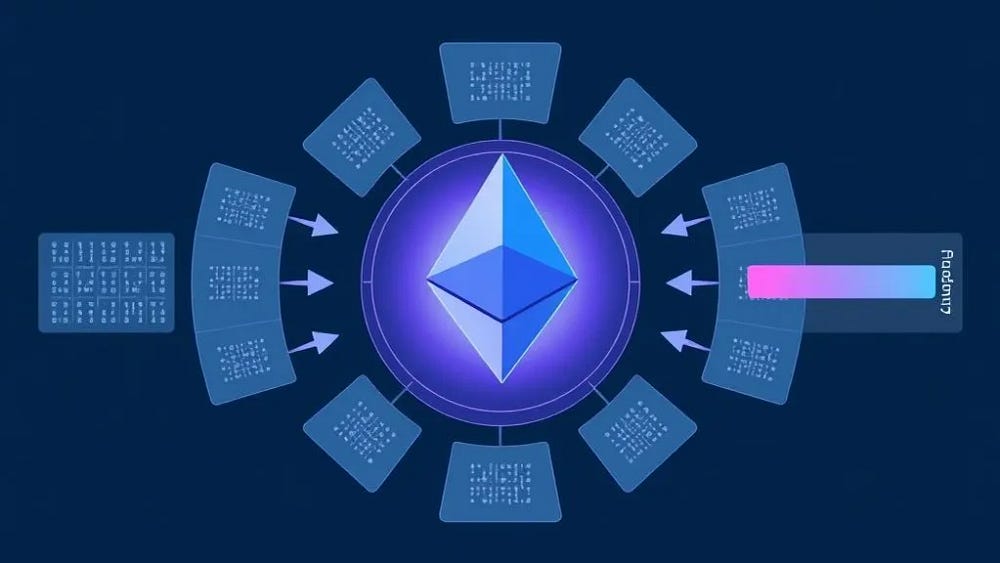
2. Ethereum: Ethereum is a bit different. Instead of just being digital money, it’s also a platform where developers can build applications. It supports something called smart contracts, which are automatic agreements written in code. These contracts power things like NFTs and decentralized finance (DeFi).
3. Stablecoins like Tether (USDT): Stablecoins are cryptocurrencies tied to stable assets like the US Dollar (1 USDT = 1 USD). They are designed to maintain a stable value. Traders use USDT to reduce risk during market volatility.
4. Altcoins and Meme Coins: Altcoins simply refer to all cryptocurrencies other than Bitcoin (e.g., Solana, Cardano). Meme coins are coins that are inspired by internet jokes (e.g., Dogecoin), trends, or communities. Meme coins usually gain popularity through social media hype rather than strong technical use cases. They both usually have higher growth potentials and could make you a good profit; they are often highly speculative and carry higher risk.
How does crypto trading work?
Crypto trading works like buying and selling goods in a market, like buying stocks. You buy a certain crypto when the price is low, sell it when the price increases, and in the end, your profit is the difference. For example, if you buy Bitcoin at $1,000 and sell at $1,200, you make a $200 profit (excluding fees).
It is important to understand how the prices will be determined. Prices are often determined by supply and demand, i.e., if many people want to buy (high demand), the price goes up; if people want to sell (high supply), the price goes down.
Think of it like trying to buy land in a busy city where land is limited; if many people want to buy land, the price increases.
Bitcoin has a limited supply; scarcity increases its value over time.
Other factors that affect prices include:
- News
- Government policies
- Investor interest
- Global events.
Always do your research when trading smaller cryptocurrencies that can either get you high profits or huge losses (e.g., Altcoins and Memecoins)
What are the Risks and Challenges?
We have seen the positives that crypto has over traditional money. However, why is it that the general population is still sceptical about putting money into crypto as a means of saving or even as a way to make money?
Some major challenges include:
1. Price volatility (prices rise and fall quickly): Cryptocurrency prices rise or fall very quickly within minutes or hours. This means you could make a lot of money fast, but you could also lose money just as quickly.
2. Scams, Hacks, and fraud: Crypto operates online and is not regulated in various countries, scammers try to take advantage of this by creating fake platforms, inventing fake platforms, and using phishing schemes to steal people’s money. Sometimes, they try to hack platforms to access accounts and steal money.
3. Emotional trading: Traders usually say, “Don’t be emotional when you buy or sell”. Fear and greed can be the downfall of many people because they often lead to buying too high and losing money if the prices drop, or selling too low and not maximising profit.
4. Liquidity Risk: Some smaller cryptocurrencies, such as Alt coins and Meme coins, may not have enough buyers and sellers, making it difficult to sell your coins quickly without reducing the price or losing everything, as investors may pull out of the project.
This is why understanding risk management on trading platforms is crucial. This will be discussed in a future article.
Cryptocurrency trading has transformed how people view money and investment. While it offers exciting opportunities for profit, it also comes with significant risks such as volatility, scams, and fraud. Success in crypto does not come from luck, but from proper education, research, risk management, emotional control, and continuous learning. For beginners, starting small, understanding the different types of cryptocurrencies, and learning how trading works before investing large amounts is very important.