Centralized vs Decentralized Exchanges: Which Is Better for Crypto Trading in 2026?
 DAVEWEB3SPACE4 min read·Just now
--
One of the biggest debates in crypto today is the rivalry between centralized exchanges (CEX) and decentralized exchanges (DEX).
In theory, decentralized platforms embody the fundamental concept of cryptocurrency: self-management, unrestricted access and complete authority over your assets. For numerous users, that represents the perfect future.
However, in reality, matters are not consistently that straightforward.
Having spent time utilizing both centralized and decentralized platforms, I’ve noticed that I depend more on centralized exchanges for my daily trading activities. Not due to their perfection, but because, at this moment, they address more of the challenges I encounter as an active trader
Understanding the Difference
Before choosing one over the other, it’s important to understand how they work.
Centralized exchanges are platforms operated by companies that manage user accounts, order books, and transactions. Users deposit funds into the exchange and trade within its system.
Decentralized exchanges, on the other hand, operate through smart contracts. Users trade directly from their wallets without giving custody of their assets to a third party.
Each model has its strengths, but the experience they offer is very different.
Why Decentralized Exchanges Are Important
It is undeniable that DEX platforms offer significant benefits.
They allow users to maintain full control of their funds. Trust in a centralized authority isn’t required, and access is usually open to all. Anyone possessing a wallet can engage with the protocol.
DEXs also minimize the threat of exchange hacks aimed at centralized platforms. As users possess their own assets, there’s not a centralized fund that can be exploited in the same manner.
These aspects are crucial for the future outlook of cryptocurrency.
Yet, this does not inherently make them the optimal option for all scenarios.
Why I Still Prefer Centralized Exchanges
Despite the benefits of decentralized platforms, I still rely more on centralized exchanges for my daily trading activities. The reason comes down to practicality.
➤ Better User Experience: Centralized exchanges offer greater convenience, particularly for regular trading activities.
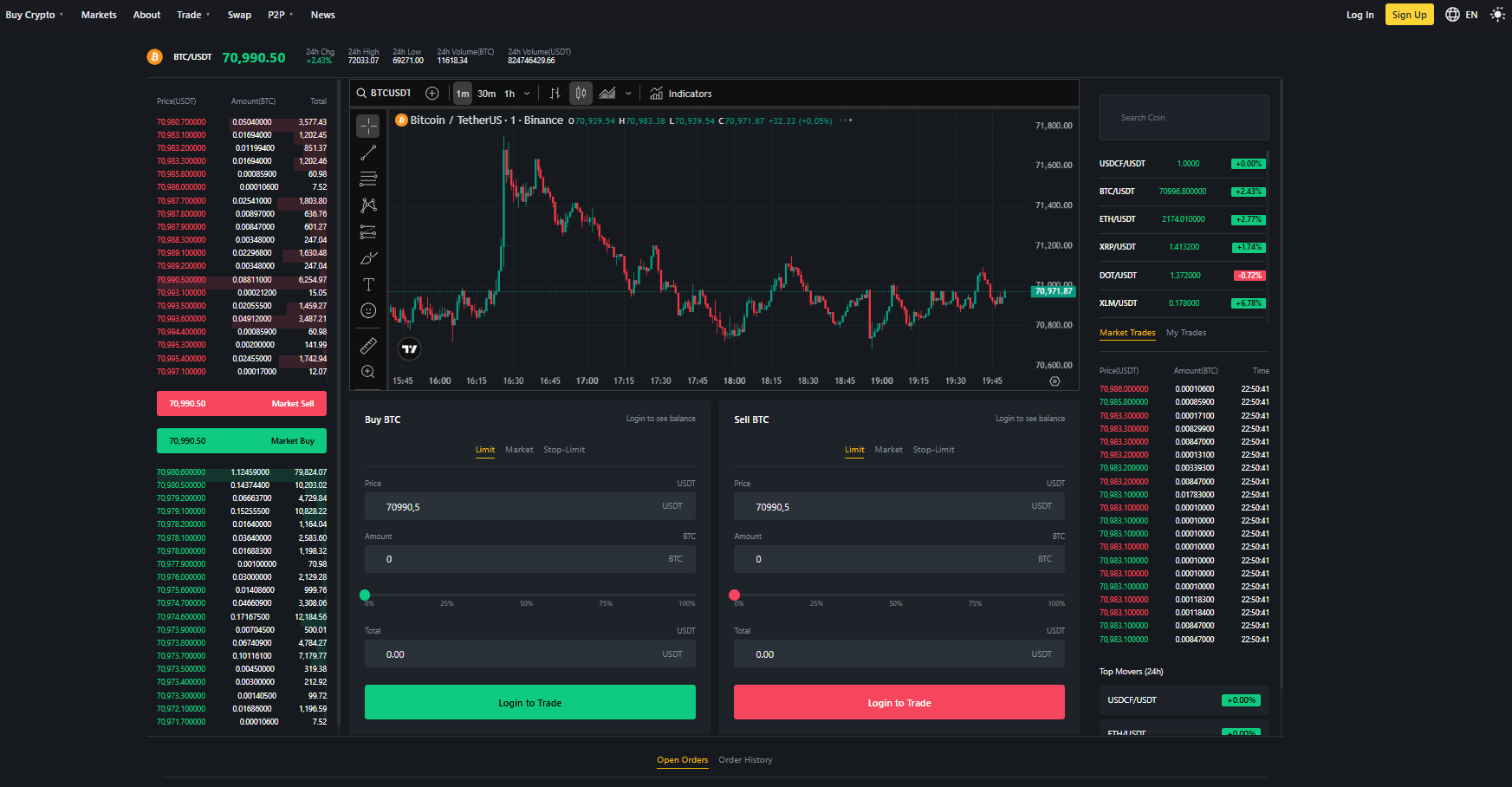
The layout is more organized, the execution is quicker, and handling several trades simultaneously is simpler. For traders who prioritize speed and efficiency, this is very significant
➤ Higher Liquidity: Liquidity is one of the biggest advantages of CEX platforms.
On centralized exchanges, large orders can be executed with minimal slippage compared to many decentralized platforms. This makes a significant difference when trading actively or managing larger positions.
➤ Advance Trading Features: Centralized platforms usually provide more sophisticated tools like:
• Spot Trading
• Futures Trading
• Coping Trading
• Automated Strategies
These capabilities enable traders to extend past basic token exchanges and develop more organized strategies.
For instance, platforms such as Freedx Exchange offer access to both spot and derivatives markets, simplifying the management of various trade types in a single environment.
➤ Faster Execution: On decentralized exchanges, transactions depend on blockchain confirmation times and network fees. During periods of congestion, this can lead to delays or failed transactions.
Centralized exchanges process trades internally, which often results in faster execution and a smoother experience overall.
➤ Easier Entry for Beginners: Centralized exchanges offer a more straightforward way for new users to enter the crypto market.
Functions such as P2P Trading simplify the process for users to purchase and sell cryptocurrency with local payment options. This simplifies certain complexities related to configuring wallets and engaging with decentralized protocols
Where Centralized Exchanges Fall Short
Preferring centralized exchanges does not mean ignoring their risks.
Users must trust the platform to hold their funds securely. History has shown that poor management, security breaches, or lack of transparency can lead to serious issues.
This is why choosing a secure crypto exchange is critical. Factors such as platform reputation, security practices, and user experience should always be considered before using any exchange.
Finding a Balance
For me, the decision is not about choosing one side permanently. It is about using the right tool for the right situation.
Decentralized exchanges are valuable for:
• self-custody
• accessing new or early-stage tokens
• interacting with DeFi protocols
Centralized exchanges are more practical for:
• active trading
• managing multiple positions
• accessing advanced tools and features
At this stage, my workflow leans more toward centralized platforms because they align better with how I trade on a daily basis.
The Role of Platforms Like Freedx
As the cryptocurrency market advances, centralized exchanges are enhancing as well.
Platforms such as Freedx Exchange are integrating trading tools, liquidity, and user-centric features into one cohesive ecosystem. By offering access to spot markets, derivatives, and reward programs, they seek to deliver a more comprehensive trading experience.
Initiatives like the Freedx Launch Campaign, featuring a $3.3M Reward Pool accessible via the Reward Hub, illustrate how exchanges are generating extra value beyond mere trading.
Final Thoughts
As the industry expands, the discussion regarding centralized vs decentralized exchanges will persist.
Decentralized platforms play a crucial role in the future of cryptocurrency, particularly regarding self-custody and unrestricted access.
Nonetheless, for the time being, centralized exchanges continue to be a viable option for numerous traders who value speed, liquidity, and user-friendliness.
My objective is not to adhere to ideology without question, but to employ the tools that most effectively reinforce my strategy. Currently, this still implies depending more on centralized exchanges
Risk Disclaimer
Cryptocurrency markets are highly volatile. This article is for informational purposes only and does not constitute financial advice. Always conduct your own research before using any trading platform or investing in digital assets.