Blockchain Explained, from the Ground Up: Tokenization
 Samuel AYODEJI2 min read·Just now
--
There’s a quiet confusion that sits at the heart of blockchain conversations.
People say “everything will be tokenized” – real estate, money, art, even identity. But what does that actually mean? Are we digitizing assets, replacing them, or just creating another layer of abstraction?
This tension matters, because without clarity, tokenization starts to sound like hype rather than infrastructure.
At its core, tokenization is much simpler than it is often presented. It is the representation and recording of ownership or rights on a blockchain ledger.
A token is not the asset itself. It is a reference to a claim.
In most cases, what is being placed on-chain is not the physical or legal object, but the entitlement attached to it.
A few examples make this clearer.
A claim in a tangible asset – say, real estate – can be recorded on a blockchain and represented by a token. The token does not become the land; it reflects a recognized interest in it.
A right in an intangible asset, such as fiat currency, when issued on a blockchain by a central bank and represented by a token, becomes a central bank digital currency (CBDC).
Similarly, a privately issued token designed to maintain a stable value relative to a national currency becomes a stablecoin.
Across these examples, the pattern is consistent: token is a representation of a right, not the right itself.
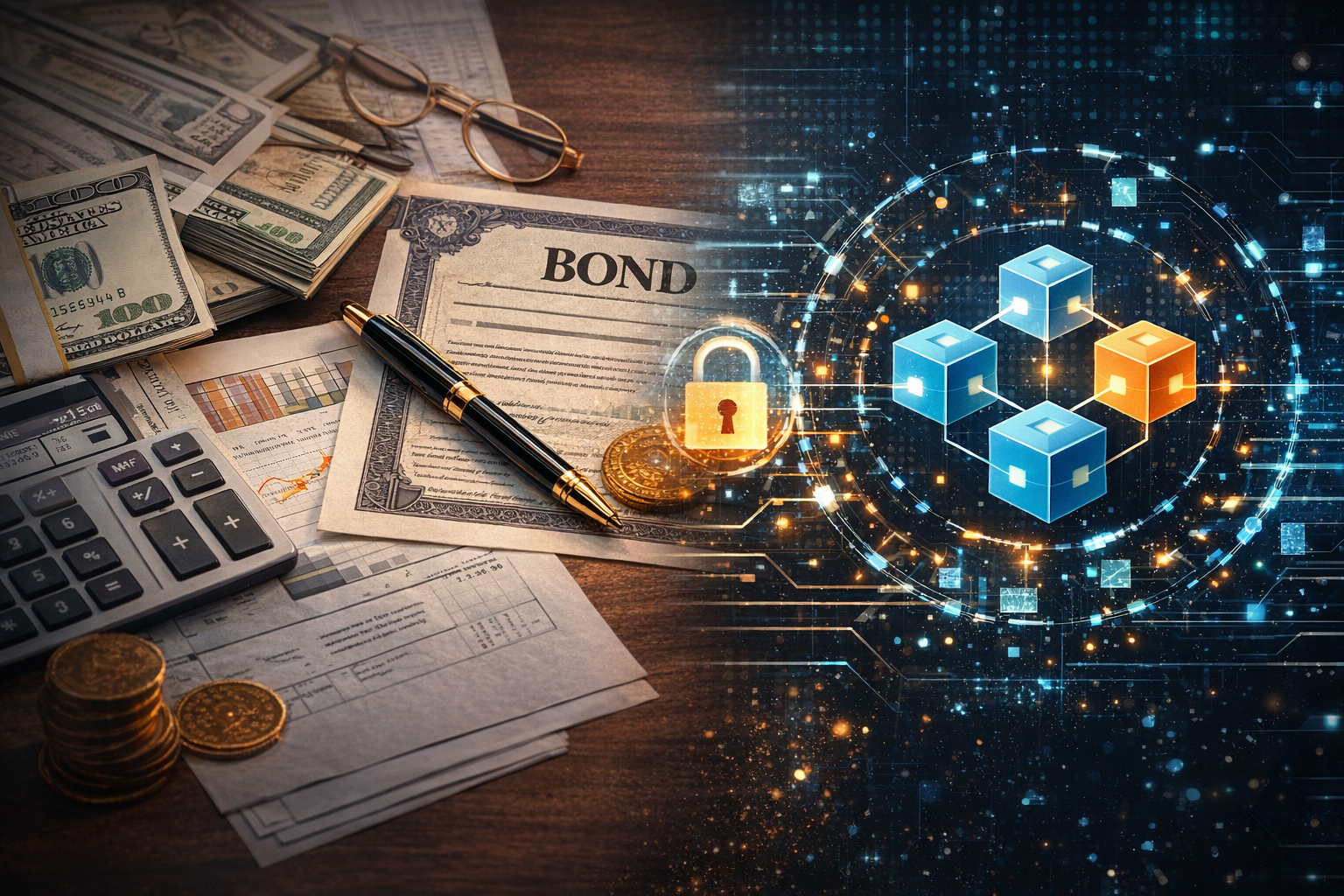
This same logic extends across asset classes. Equity, bonds, bank deposits, collectible art, and even carbon credits can be represented through tokens, enabling fractional ownership and more fluid transferability.
But this is where tokenization becomes more than a technical exercise.
The real shift is not just in how assets are represented, but in how access and participation are restructured.
By placing claims on programmable ledgers, institutions can expand access to markets that were previously illiquid or restricted. Ownership can be divided, transferred, and settled with far fewer intermediaries.
At the same time, this creates new pressures.
If a token represents a financial claim, then questions of custody, enforceability, and investor protection become unavoidable. Tokenization does not remove regulation – it reframes it.
And beyond finance, the same infrastructure is being explored in areas like supply chains, land registries, and voting systems. While many of these applications remain at the pilot stage, they point to a broader idea: blockchain is not just about assets, but about recording trust in a different way.
Tokenization, then, is not about turning everything into a coin. It is about redefining how claims are recorded, transferred, and verified. Understanding that distinction is what separates the narrative from the reality.
In the next piece, I’ll break down the different types of tokens – and the regulatory obligations that follow them.