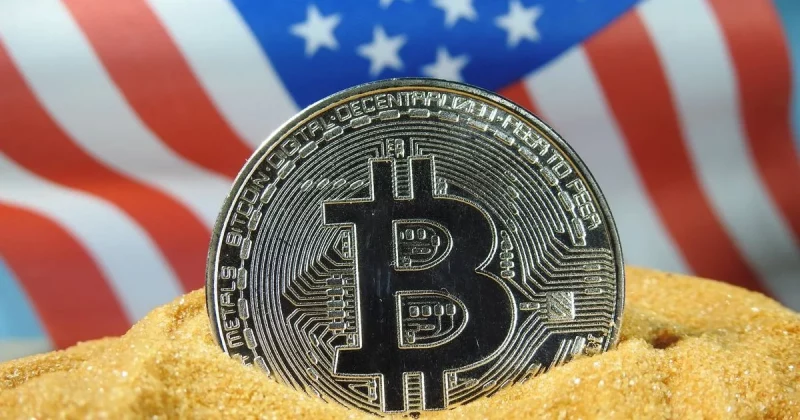
Bitcoin slump halves US government holdings to $21B
The federal government's Strategic Bitcoin Reserve has shed nearly $20 billion in value since October, and by design, officials can't sell a single satoshi.
Share
Add us on Google by Editorial Team Jun. 6, 2026The US government’s Bitcoin stash was worth $40.7 billion in October 2025. Today it sits at roughly $20.8 billion. That’s not a typo, and it’s not because anyone sold anything.
The entire decline, nearly $20 billion in evaporated value, comes down to one thing: Bitcoin’s price tanked. The government’s approximately 328,000 BTC haven’t moved. They’re locked in a reserve that, by executive order, cannot be liquidated.
How the reserve got this big
The Strategic Bitcoin Reserve traces back to an executive order signed on March 6, 2025, which formalized the government’s approach to managing seized crypto. Before that order, forfeited Bitcoin from law enforcement actions sat in a bureaucratic gray zone. The executive order changed the game by declaring these assets strategic reserves, not to be sold.
AdvertisementThe holdings got a massive boost in October 2025 when the Department of Justice completed a record seizure of 127,271 BTC, valued at approximately $14 billion at the time. That single haul temporarily pushed total government holdings above $36 billion and helped the stash reach its $40.7 billion peak.
Bitcoin had hit an all-time high near $124,000 in early October 2025. Bitcoin has since dropped more than 30% from that peak. The government’s holdings, tracked by firms like Arkham Intelligence and BitcoinTreasuries.net, now clock in around $20.8 billion, still the largest known government Bitcoin stash on the planet.
The “can’t sell” problem
The executive order explicitly prevents liquidation of these assets, treating them as long-term holdings similar to gold reserves. The reserve’s structure relies entirely on forfeited assets to fill its coffers. The government isn’t buying Bitcoin on the open market. Every coin in the reserve arrived via law enforcement seizures from fraud cases, dark web marketplaces, and other criminal enterprises.
New legislation is now attempting to formalize this arrangement further. The proposed American Reserve Modernization Act of 2026 would impose audit requirements on the reserve while explicitly prohibiting additional Bitcoin purchases. The bill essentially codifies the current approach: hold what you seize, don’t buy more, and let Congress see the books.
What this means for investors
The $20 billion decline without a single coin being sold is a clean illustration of mark-to-market risk. The holdings haven’t changed. The network hasn’t changed. Only the price has, and that was enough to cut the portfolio’s value roughly in half.
The no-sell mandate also removes one of the market’s perennial fears: government dumping. With the reserve structure in place, that 328,000 BTC supply is effectively removed from circulation.
What investors should watch is the audit legislation. If the American Reserve Modernization Act passes, it would create unprecedented transparency into government crypto holdings, including regular public accountings of what’s held and where.
Disclosure: This article was edited by Editorial Team. For more information on how we create and review content, see our Editorial Policy.