Bitcoin ETFs and gold see outflows as investors retreat from the debasement trade
Both traditional inflation hedges are bleeding capital as investors pivot toward yield in a tightening economic landscape.
Share
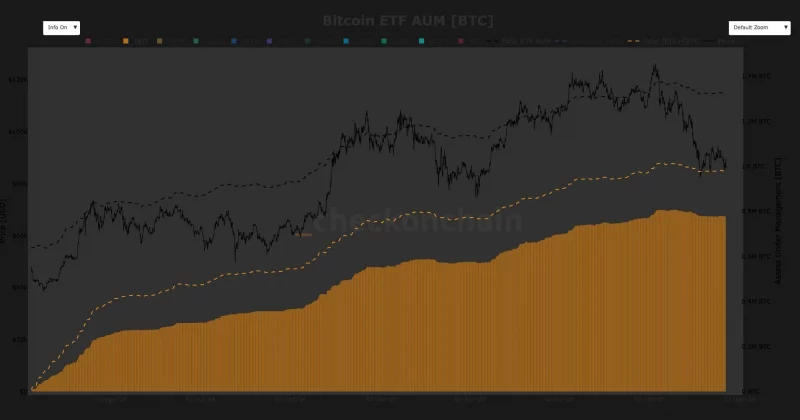
Add us on Google by Editorial Team May. 28, 2026US spot Bitcoin ETFs hemorrhaged $635 million in net outflows on May 13, the largest single-day exit since January 29. Cumulative withdrawals from Bitcoin ETFs topped $2.26 billion over a two-week stretch in May.
Gold isn’t faring much better. Global physically backed gold ETFs saw record outflows of $12 billion in March, with North American investors alone responsible for $13 billion in withdrawals. April brought a partial recovery of $6.6 billion in inflows, but parts of May have seen renewed selling.
AdvertisementThe debasement trade, explained
The “debasement trade” is Wall Street shorthand for betting against the purchasing power of fiat currency. The logic goes like this: governments run massive deficits, central banks accommodate them with loose monetary policy, and the value of dollars (or euros, or yen) slowly erodes. In that world, you want hard assets. Gold has played that role for centuries. Bitcoin pitched itself as the digital version.
JPMorgan noted that Bitcoin ETFs had strung together three consecutive months of inflows even while gold ETFs struggled to recover from March’s brutal withdrawals. Bitcoin was actually gaining ground on gold as the preferred debasement hedge.
What changed
The Bitcoin ETF data underscores this isn’t a crisis of confidence in the asset itself. During the late 2025 to early 2026 period, Bitcoin’s price corrected by 36%, yet ETF holdings declined only 3.6%. BlackRock’s iShares Bitcoin Trust (IBIT) accounted for a significant chunk of the recent withdrawals alongside Fidelity’s FBTC.
Disclosure: This article was edited by Editorial Team. For more information on how we create and review content, see our Editorial Policy.