Episode Recap
Beyond the Transaction: Why Language is the Most Critical UX Component in Fintech
Key takeaways from my discussion with Aishwarya V on mastering user communication
 Define Design5 min read·Just now
--
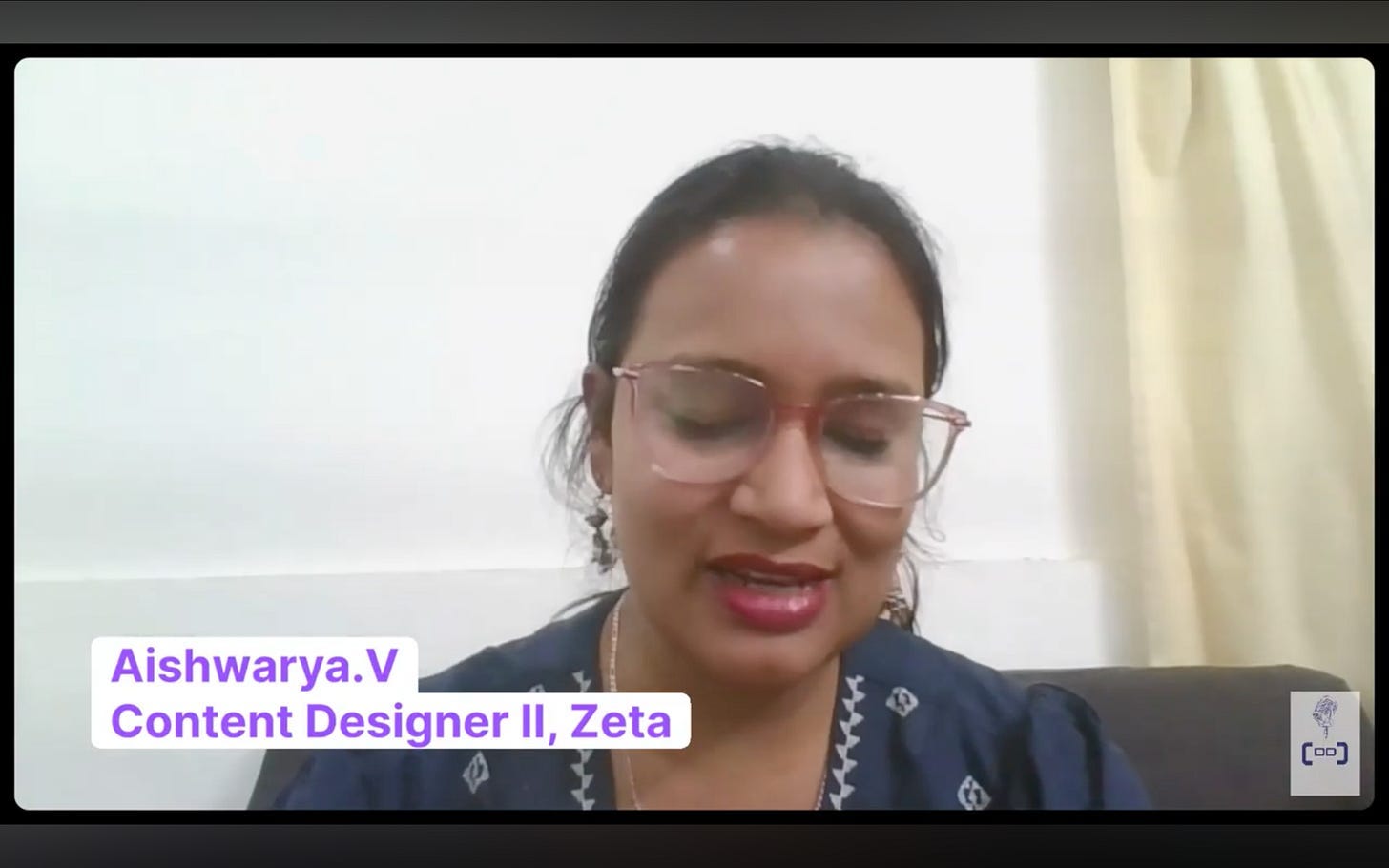
In the rapidly changing realm of fintech, grasping the language of your users is not merely beneficial — it’s essential. In the first season, I had the pleasure of speaking with Content Designer Aishwarya V, engaging in a thought-provoking discussion about the vital role of user communication within the fintech sector.
In our conversation on the Define Design podcast, in an episode titled “Unlocking User Trust Through Language,” Aishwarya shared her insights on creating user-friendly content tailored for a diverse Indian audience. She emphasized the significance of using familiar language to foster trust and enhance user engagement.
The ‘Get Money’ Rule: Why Familiarity Trumps Financial Jargon
“We needed to comprehend how our audience lives,”
Aishwarya highlighted during our conversation. She pointed out that many of their users preferred different terminology; for instance, instead of using the term ‘Withdrawal,’ they would simply say ‘get money.’
Aishwarya stresses that employing language familiar to users is vital for establishing trust. In the fintech sector, where intricate financial jargon can be daunting, simplifying the language can greatly improve the user experience.
By communicating in a way that resonates with users, fintech companies can make their products more approachable and relatable, ultimately fostering trust and encouraging user engagement.
Building a Word Library to Scale Product Consistency
One innovative approach discussed by Aishwarya is the creation of a word library. This library serves as a resource to ensure consistency and clarity in communication across all platforms.
By curating a list of terms and phrases that resonate with users, fintech companies can maintain a unified voice that aligns with their audience’s linguistic preferences.
Reducing Cognitive Load: Bridging the Gap Between Banking and Everyday English
In my conversation with Aishwarya, we explored how users perceive financial jargon. A significant portion of the terminology in the financial sector is outdated and does not align well with everyday language.
Key Observations
- Some of the terms we identified included “funds,” “payment,” and “money.”
- Research conducted by Aishwarya and her product team highlighted the importance of using simpler language.
As she pointed out,
“You don’t use the word ‘fund’ in everyday English; it’s always money. You wouldn’t say ‘initiate payment’ anywhere. Instead, you just say ‘pay somebody,’ ‘pay now,’ or ‘make a payment.’”
The Importance of Language
These minor adjustments led to a significant impact. In this particular case regarding product flows, the issue was rooted in the content. Users found it challenging to comprehend the chosen terminology and lacked confidence in using the app.
“As soon as we began using the term ‘money,’ we noticed a shift in how users interacted with the app. By opting for simpler language instead of complex banking jargon, we discovered that many users started to engage with the app far more than before.”
Designing for the Living Web: Keeping Your Product Vocabulary Agile
Language is ever-changing, continuously adapting with new colloquialisms and expressions. To remain relevant, it’s essential for companies to refresh their vocabulary with the latest conversational language.
This requires:
- Actively listening to user feedback
- Observing language trends
- Incorporating new terms that improve relatability
Later in the discussion, Aishwarya shared additional insights, such as updating their links from “Learn more” to “Know more.” This simple alteration encouraged user interaction.
During testing, they discovered that using the term “know” felt as though the product was inviting the user to discover more about the topic.
The Feedback Loop: A Tool for Refinement
An ongoing feedback loop is essential for refining communication strategies. By actively seeking user feedback, companies can identify misconceptions, uncover areas for improvement, and adapt their language to better meet user needs. This iterative process ensures that communication remains clear, effective, and aligned with user expectations.
Thanks for reading Define Design Substack! Subscribe for free to receive new posts and support my work.
Localization is More than Translation: Designing for Cultural Nuance
Grasping the cultural context of your audience is a vital component in effective communication. Language comprehension is significantly shaped by cultural subtleties, and recognizing these can help you create content that truly connects with users.
It’s also essential to educate users about unavoidable jargon, empowering them to navigate the fintech landscape with confidence.
Aishwarya emphasizes the importance of introducing users to necessary jargon, providing clear explanations and designs to familiarize them with the terms.
“Initially, we created an animation that repeated the term NFC multiple times throughout the user journey, explaining what it means. We included a brief tutorial showing a person tapping their card on a POS machine, completing a payment seamlessly without needing to enter a PIN or any code.”
The Impact of Clear Communication
Clear communication can transform user behavior. As Aishwarya noted, when fintech companies use language that is easy to understand, users are more likely to engage with their products. This not only improves user satisfaction but also enhances overall product adoption.
In conclusion, learning your users’ language is a powerful tool for every industry. By prioritizing user understanding and creating a robust word library, fintech companies can forge stronger connections with their audience.
This approach not only enhances trust and engagement but also ensures that products are accessible to a diverse range of users. As language continues to evolve, maintaining an open dialogue with users and adapting to their linguistic needs will remain key to success in the fintech sector.
Turning Problems into Opportunities
In conclusion, learning your users’ language is a powerful tool for every industry. By prioritizing user understanding and creating a robust word library, fintech companies can forge stronger connections with their audience.
This approach not only enhances trust and engagement but also ensures that products are accessible to a diverse range of users. As language continues to evolve, maintaining an open dialogue with users and adapting to their linguistic needs will remain key to success in the fintech sector.
Check out my conversation with Aishwarya V Listen here | Watch here