Best Asset Tokenization Platforms in 2026: Features, Benefits & Use Cases
 Gaganpreet Singh5 min read·Just now
--
Introduction
Asset tokenization is no longer just a buzzword it’s becoming a core part of how modern businesses manage and trade assets. From real estate and commodities to art and intellectual property, companies are increasingly turning to an asset tokenization platform to unlock liquidity, improve transparency, and reach global investors.
In 2026, the demand for asset tokenization platform development services is growing rapidly as organizations look for scalable and secure ways to digitize ownership. This blog explores the best asset tokenization platforms, key features, benefits, and real world use cases while also highlighting how businesses can leverage expert development partners like NetSet Software.
What is an Asset Tokenization Platform?
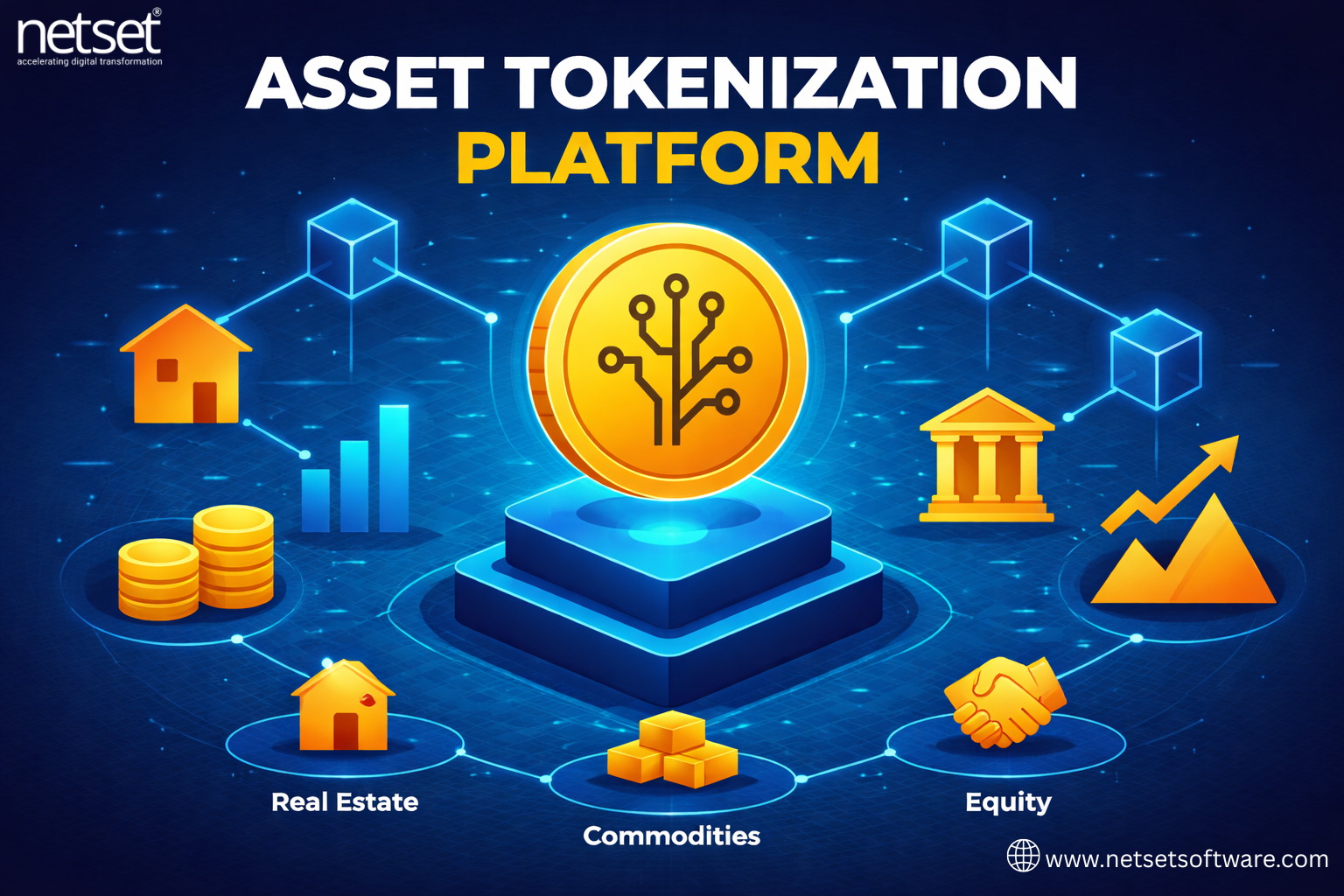
An asset tokenization platform is a digital solution that converts physical or intangible assets into blockchain based tokens. These tokens represent ownership or a share in an asset and can be traded securely on decentralized or centralized platforms.
Instead of traditional ownership processes that are often slow and complex, tokenization simplifies transactions and makes assets more accessible to a wider audience.
Why Asset Tokenization is Growing in 2026
The rise of blockchain technology, combined with the need for more efficient financial systems, has accelerated the adoption of tokenization.
According to industry reports, the global tokenization market is expected to surpass $16 trillion by 2030, highlighting its massive growth potential. Another key insight is that tokenized assets can improve liquidity by up to 30–40%, especially in traditionally illiquid markets like real estate.
This is why businesses are actively searching for a reliable asset tokenization development company to build customized solutions.
Key Features of Top Asset Tokenization Platforms
To stay competitive, leading platforms offer a combination of advanced features that ensure security, scalability, and usability.
1. Smart Contract Automation
Smart contracts automate transactions, reducing manual intervention and minimizing errors. They ensure that ownership transfers and compliance rules are executed seamlessly.
2. Multi Asset Support
A strong platform supports various asset types, including real estate, equity, commodities, and even digital collectibles.
3. Regulatory Compliance
Compliance is critical. Platforms integrate KYC (Know Your Customer) and AML (Anti Money Laundering) features to meet global regulations.
4. High Level Security
Blockchain based encryption, multi signature wallets, and secure APIs help protect sensitive data and transactions.
5. Scalability
Modern platforms are built to handle large transaction volumes without compromising performance.
Benefits of Using an Asset Tokenization Platform
Improved Liquidity
Tokenization allows fractional ownership, making it easier to buy and sell assets that were previously difficult to trade.
Global Accessibility
Investors from around the world can participate without geographical restrictions.
Transparency
Blockchain ensures all transactions are recorded and easily verifiable.
Cost Efficiency
By eliminating intermediaries, businesses can significantly reduce operational costs.
Faster Transactions
Processes that once took days can now be completed in minutes.
Top Asset Tokenization Platforms in 2026
Here are some of the most impactful platforms shaping the industry:
1. Ethereum Based Platforms
Widely used for smart contract development, Ethereum remains a popular choice due to its strong ecosystem.
2. Polygon Tokenization Solutions
Known for scalability and low transaction fees, Polygon is ideal for businesses looking to scale quickly.
3. Hyperledger Based Platforms
Best suited for enterprise solutions, Hyperledger offers high security and permissioned blockchain environments.
4. Custom Built Platforms
Many businesses now prefer custom solutions tailored to their specific needs, which is where expert asset tokenization platform development services come into play.
Real World Use Cases of Asset Tokenization
Real Estate Tokenization
Property owners can divide assets into smaller shares, allowing multiple investors to participate.
Art & Collectibles
Artists and collectors can tokenize valuable artworks, making ownership more flexible and accessible.
Equity & Shares
Startups can raise funds by tokenizing equity, offering investors digital ownership stakes.
Commodities
Gold, oil, and other commodities can be tokenized for easier trading and storage.
Intellectual Property
Music, patents, and digital content can be monetized through tokenized ownership.
Real World Asset Tokenization Market
How NetSet Software Helps Businesses
When it comes to choosing the right real world asset tokenization platform development company, expertise and experience matter. This is where NetSet Software stands out.
NetSet Software provides end to end asset tokenization platform development services, helping businesses transform their ideas into scalable, secure, and market ready solutions.
What Makes NetSet Software a Strong Partner?
Customized Development
Every business has unique requirements. NetSet Software builds tailored platforms designed to meet specific goals and industry needs.
Blockchain Expertise
With experience in Ethereum, Polygon, and other blockchain technologies, the team ensures robust and future ready solutions.
Regulatory Compliance
They integrate compliance features to help businesses meet legal requirements across different regions.
Scalable Architecture
Their platforms are designed to grow with your business, handling increased users and transactions effortlessly.
End to End Support
From consultation and design to development and deployment, NetSet Software supports clients at every stage.
For businesses looking for a reliable asset tokenization development company, partnering with an experienced team like NetSet Software can make a significant difference in achieving long term success.
How to Choose the Right Asset Tokenization Platform
Selecting the right platform is crucial for success. Here are a few factors to consider:
Define Your Use Case
Understand what type of asset you want to tokenize and your target audience.
Check Security Standards
Ensure the platform follows strong security protocols.
Evaluate Scalability
Choose a platform that can grow with your business.
Look for Customization Options
A flexible platform allows better alignment with business goals.
Partner with Experts
Working with a trusted provider of asset tokenization platform development services ensures a smoother development process.
Future Trends in Asset Tokenization
The future of tokenization looks promising, with several trends shaping the industry:
- Integration with AI for smarter asset management
- Increased adoption of real world asset tokenization
- Growth of decentralized finance (DeFi) ecosystems
- Enhanced regulatory frameworks for global adoption
As technology evolves, businesses that adopt tokenization early will have a competitive edge.
Conclusion
Asset tokenization is transforming how assets are owned, managed, and traded. With benefits like improved liquidity, transparency, and global access, it is becoming an essential tool for modern businesses.
Choosing the right asset tokenization platform and partnering with an experienced asset tokenization development company can help unlock new opportunities and drive growth.
Companies like NetSet Software are playing a key role in this transformation by offering reliable and scalable asset tokenization platform development services tailored to business needs.