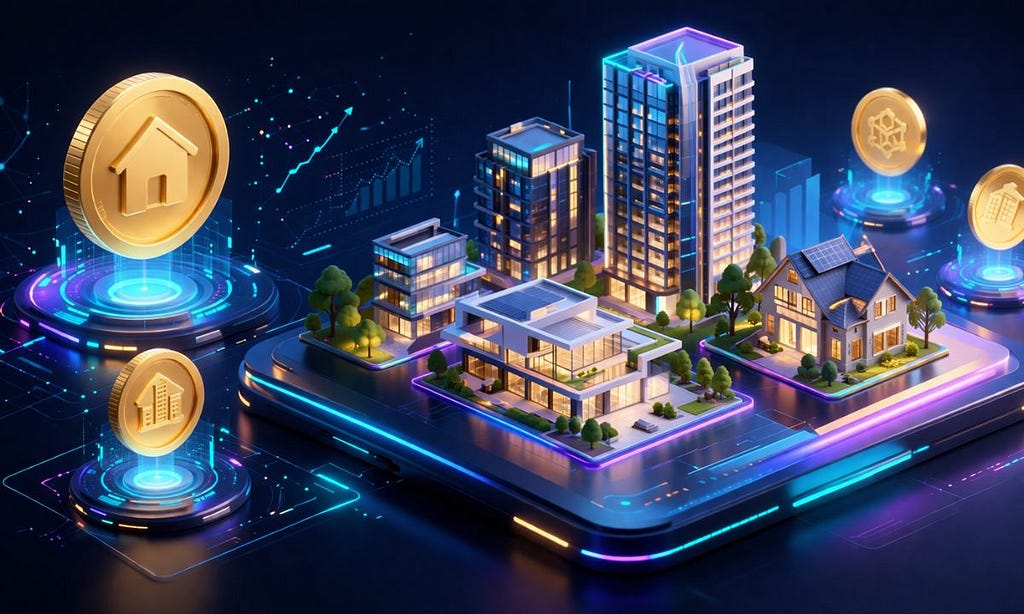
Real estate tokenization development has moved from concept discussions into active implementation. It involves converting rights linked to a property into digital tokens that can be issued, held, and transferred through a blockchain-based system. These rights may represent equity, income participation, or debt exposure connected to a real estate asset. The real value of this model lies not in the token itself but in how property ownership, investment access, and transaction processes are organized.
Traditional real estate investment often faces issues such as high entry barriers, slow transactions, fragmented records, and limited liquidity. Tokenization introduces a structured way to divide ownership into smaller units, making participation more flexible while improving record management and investor interaction. However, meaningful development in this space requires careful planning across legal, financial, and technical layers. It is not simply about digitizing property but about designing a complete system around it.
This guide focuses on practical development methods that help create a reliable and forward-looking real estate tokenization platform.
Understanding the Foundation of Tokenized Real Estate
Before moving into development methods, it is important to understand what a real estate token actually represents. In most cases, tokens do not directly represent ownership recorded in land registries. Instead, they represent rights in a legal entity such as a company or trust that owns the property. This distinction is critical because it defines investor rights, regulatory treatment, and operational processes.
Token models can vary depending on the structure:
- Equity tokens represent ownership in a property-holding entity and may provide income and appreciation benefits.
- Debt tokens represent lending exposure with fixed or variable returns.
- Hybrid models combine elements of both but require careful structuring.
A clear definition of what the token represents helps avoid confusion and builds investor confidence. It also forms the base for all further development decisions.
Method 1: Begin with the Right Property Strategy
A strong tokenization project starts with asset selection rather than technology. The quality, stability, and income profile of the property determine the success of the offering.
Income-generating properties are generally more suitable because they provide predictable returns. Examples include residential rental buildings, commercial offices with long-term leases, and logistics assets. These types of properties allow investors to understand how revenue is generated and distributed.
Development-stage or highly speculative assets may be harder to present in a tokenized format because they carry higher uncertainty. If such assets are used, the risk must be clearly explained.
Key considerations during this stage include:
- Stability of rental income
- Occupancy rates and tenant quality
- Location and market demand
- Maintenance and operating costs
A well-chosen asset simplifies later stages of development and improves investor trust.
Method 2: Establish a Clear Legal Structure
Legal design is one of the most important parts of real estate tokenization. Without a solid legal foundation, the entire model becomes unreliable.
In most projects, the property is placed inside a special-purpose vehicle. Investors then hold tokens that represent rights linked to this entity rather than direct property ownership. This approach aligns with existing property laws and simplifies administration.
The legal structure must clearly define:
- Investor rights and limitations
- Income distribution rules
- Governance and voting mechanisms
- Exit and liquidation processes
Jurisdiction also plays a major role. Regulations related to securities, taxation, and property ownership differ widely across regions. Choosing the right jurisdiction helps avoid complications in fundraising and operations.
Method 3: Integrate Compliance into the System
Compliance should be treated as a built-in part of the platform rather than an external requirement. Real estate tokens often fall under securities regulations, which means investor onboarding must follow strict procedures.
This includes identity verification, eligibility checks, and monitoring of transactions. Instead of handling these processes manually, modern platforms integrate them directly into the system.
Important compliance elements include:
- KYC and identity verification
- Investor eligibility checks
- Transaction monitoring and restrictions
- Secure handling of personal data
Linking verified identities to wallet permissions is a practical way to maintain control over token transfers while meeting regulatory expectations.
Method 4: Design Smart Contracts Around Real-World Functions
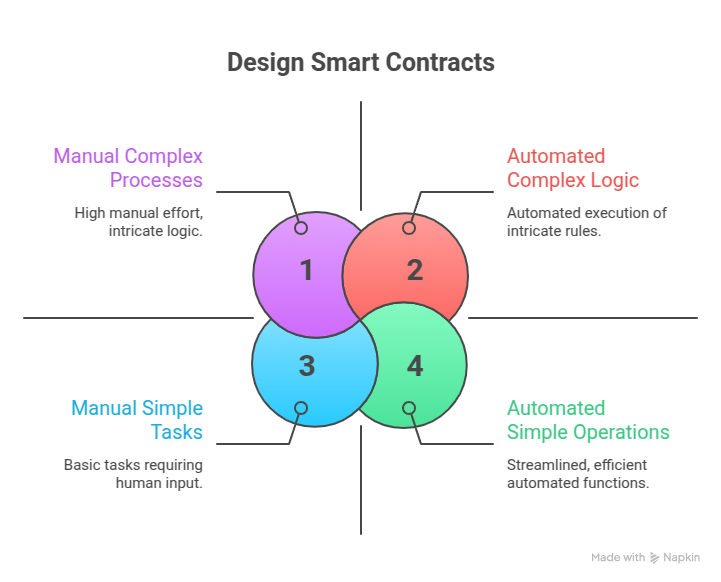
Smart contracts should reflect the actual financial and operational logic of the property investment. They are not just digital tokens but tools that manage rules and processes.
The design should include:
- Controlled token issuance and transfer conditions
- Income distribution mechanisms based on ownership
- Governance functions for major decisions.
- Administrative controls for exceptional situations
Developers must also consider whether payments are handled on-chain, off-chain, or through a hybrid model. Each option affects user experience and operational complexity.
Careful contract design reduces manual work and improves consistency in how the system operates.
Method 5: Plan for Secondary Market Participation
Liquidity is often highlighted as a benefit of tokenization, but it requires proper planning. A token can be transferred easily from a technical perspective, but real liquidity depends on market demand and structure.
Platforms can approach this in different ways:
- Internal marketplaces where users can post buy and sell orders.
- Periodic trading windows instead of continuous trading
- Integration with regulated trading platforms
Pricing transparency is important. Investors need clear valuation references based on property performance and market conditions. Without this, trading activity may remain limited.
Method 6: Build a Property Data and Reporting Layer
A modern tokenization platform should provide ongoing visibility into property performance. Investors expect more than initial investment details. They want regular updates on how the asset is performing.
This includes:
- Rental income and expense reports
- Occupancy and lease updates
- Maintenance and operational events
- Financial summaries and distributions
Presenting this data in a structured and accessible format helps maintain investor confidence and supports informed decision-making.
Method 7: Focus on Investor Experience
The success of a tokenization platform depends heavily on how investors interact with it. A complicated or unclear process can discourage participation, even if the underlying structure is sound.
The investor journey should be simple and logical:
- Learning about the property and investment terms
- Completing verification and onboarding
- Investing and receiving tokens
- Monitoring performance and receiving income
Providing clear explanations, reliable reporting, and flexible custody options improves usability. Some investors may prefer direct wallet control, while others may prefer managed custody solutions.
Conclusion
Real estate tokenization development requires a balanced approach that combines property knowledge, legal planning, compliance, and technology design. It is not just about issuing tokens but about creating a system that supports the entire lifecycle of a property investment.
Projects that succeed in this field tend to follow a disciplined process. They begin with strong assets, define legal structures clearly, integrate compliance into their systems, and provide consistent investor communication. They also recognize that liquidity, reporting, and governance need careful attention rather than assumptions.
As the market continues to develop, the focus is shifting toward practical implementation and reliability. Platforms that align digital systems with real-world property operations are more likely to gain long-term acceptance.
A Comprehensive Guide to Develop Futuristic real estate tokenization development was originally published in Coinmonks on Medium, where people are continuing the conversation by highlighting and responding to this story.